
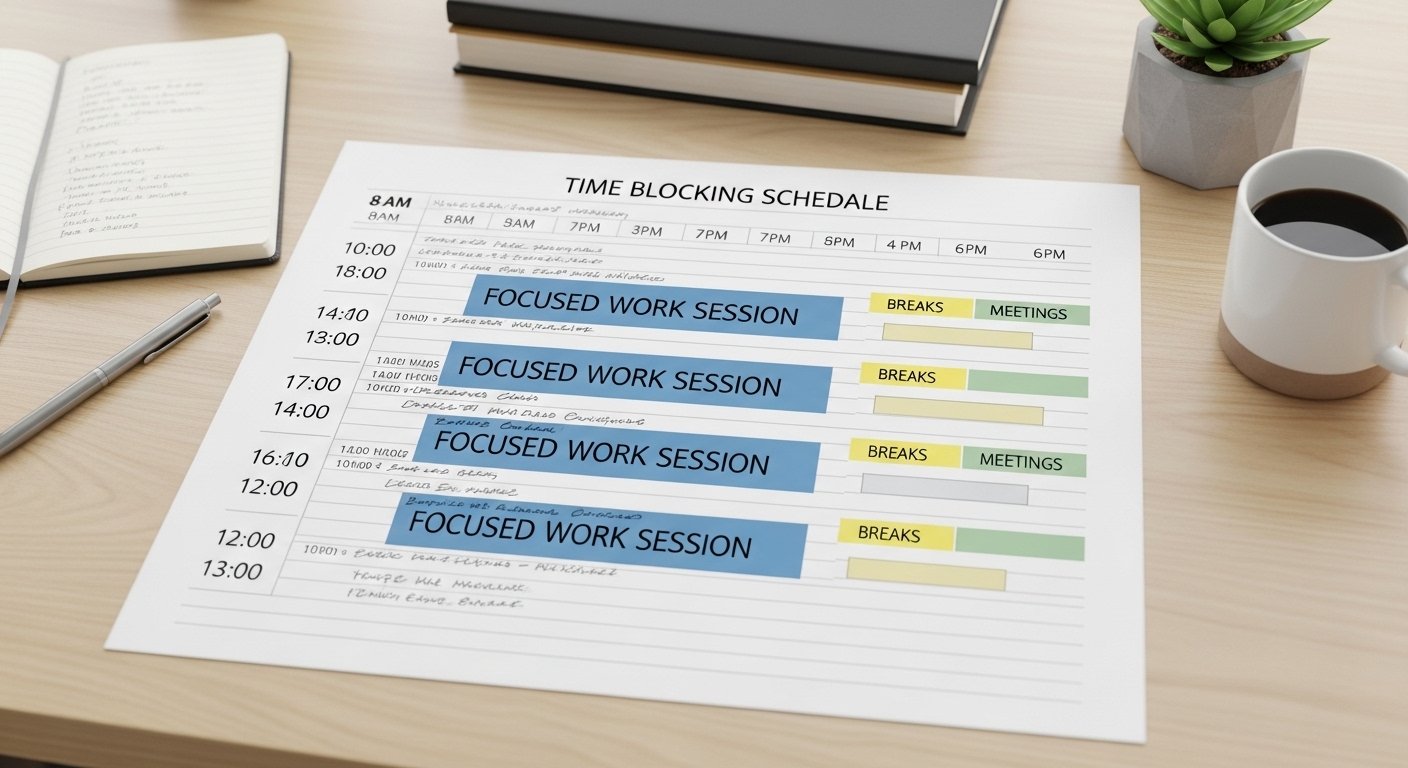
Using a planner is one of the most powerful habits for improving productivity, managing time, and achieving goals—but only if you know how to use a planner effectively.
Many people buy beautiful planners and stop using them after a few days because they:
- Overcomplicate the system
- Don’t have a routine
- Track too many things at once
- Don’t connect planning with action
This guide will show you step-by-step how to use a planner for productivity, goal setting, habit tracking, and time management, whether you use a digital planner or printable planner.
Why Using a Planner Improves Productivity
A planner helps you:
✔ Clarify priorities
✔ Reduce mental clutter
✔ Track progress
✔ Stay consistent
✔ Take daily action
Writing tasks down activates focus and commitment, making you more likely to follow through.
Step 1: Choose Your Planner System
Before you start, decide what type of planner you’ll use:
| Planner Type | Best For | Benefits |
|---|---|---|
| Daily planner | Busy schedules | Detailed time blocking |
| Weekly planner | Big-picture planning | Balanced workload |
| Digital planner | Flexibility & reuse | Easy editing & duplication |
| Printable planner | Simplicity & focus | Distraction-free planning |
Choose one main system to avoid overwhelm.
Step 2: Define Your Planner Sections
An effective planner includes these core sections:
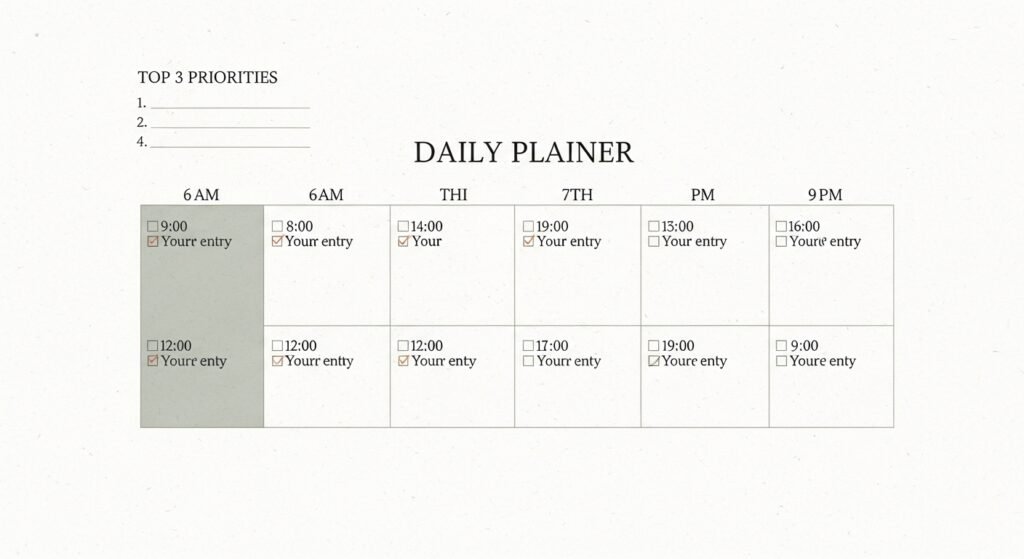
1. Top 3 Priorities
Every day, write:
- Three high-impact tasks
This prevents overwhelm and increases completion rate.
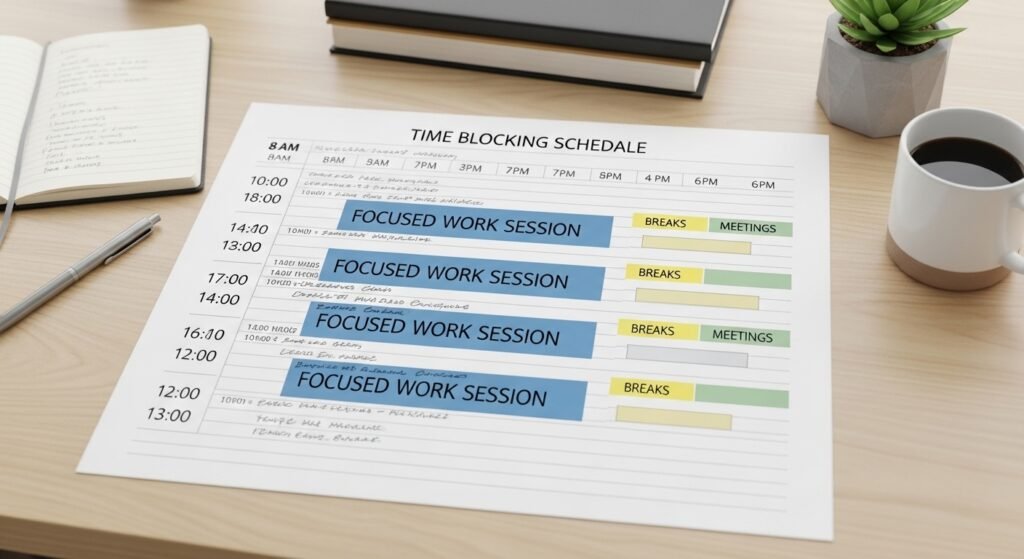
2. Time Blocking
Assign time slots to tasks.
Example:
9–10 AM → Content creation
10–11 AM → Client work
This improves focus and reduces procrastination.
3. Task List
Write all tasks, but only prioritize the top three.
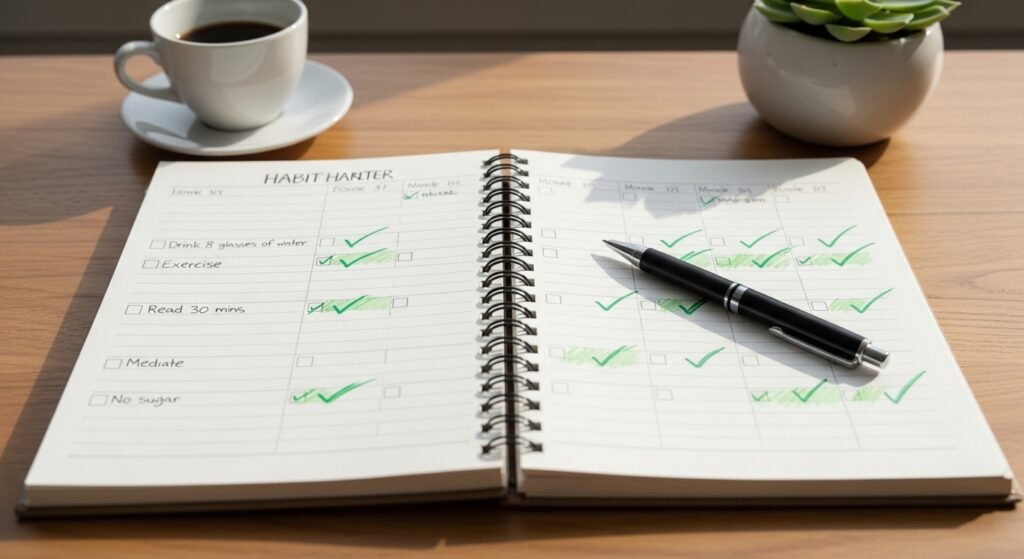
4. Habit Tracker
Track daily habits like:
- Posting content
- Exercising
- Journaling
- Studying
Consistency builds results.
5. Notes Section
Use this for:
- Ideas
- Brain dumps
- Reflections
Step 3: Use a Daily Planning Routine
Morning Planning (5 Minutes)
Write:
- Top 3 priorities
- Time blocks
- One habit focus
This sets direction for the day.
Midday Check-In (2 Minutes)
Review:
✔ Completed tasks
✔ Adjust schedule
Evening Review (5 Minutes)
Log:
- Wins
- Progress
- Improvements for tomorrow
This creates momentum.
Step 4: Connect Planning With Action
A planner is not a to-do list—it’s an action system.
For every task, ask:
What is the next physical action?
Example:
❌ “Work on business”
✔ “Design one Pinterest pin”
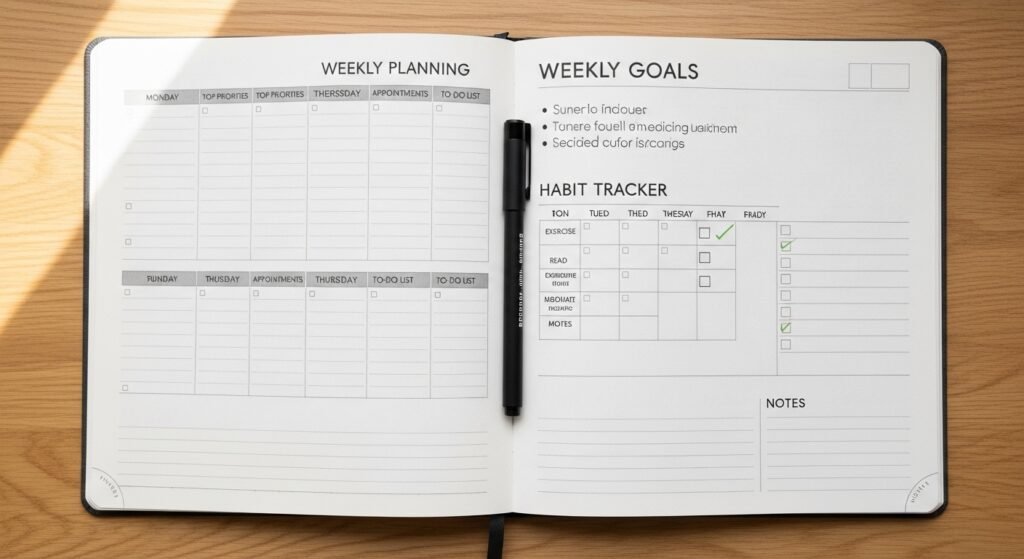
Step 5: Use Weekly Planning for Clarity
Once per week:
✔ Set weekly goals
✔ Plan content or work blocks
✔ Schedule important tasks
✔ Review progress
Weekly planning reduces daily decision fatigue.
Step 6: Track Progress, Not Perfection
Missed tasks are normal.
Instead of quitting:
- Move tasks forward
- Adjust priorities
- Keep consistency
Progress builds discipline.
Step 7: Avoid These Planner Mistakes
❌ Overloading Tasks
Too many tasks lead to burnout.
❌ Decorating Instead of Doing
Aesthetic planning is great—but action matters more.
❌ No Review System
Without reviews, planners become abandoned.
❌ Tracking Too Many Habits
Start with 3–5 habits.
Comparison Table: Ineffective vs Effective Planner Use
| Ineffective Planning | Effective Planning |
|---|---|
| Writing long task lists | Choosing top 3 priorities |
| No time blocks | Scheduled tasks |
| No review system | Daily and weekly reviews |
| Tracking everything | Tracking key habits |
| Planning without action | Action-based tasks |
How to Use a Planner for Goal Setting
Break goals into:
Goal → Monthly tasks → Weekly tasks → Daily actions
Example:
Goal: Increase sales
Weekly: Create 5 products
Daily: Design 1 product page
This creates a clear execution path.
How to Use a Planner for Productivity
Use:
✔ Time blocking
✔ Task batching
✔ Habit stacking
✔ Priority planning
These methods reduce distractions.
How to Stay Consistent With Your Planner
Consistency tips:
- Keep it visible
- Use it at the same time daily
- Start small
- Track wins
Your planner should feel simple and repeatable.
Planner Routine for Entrepreneurs & Creators
Daily:
- Revenue task
- Content task
- Learning task
This ensures business growth.
FAQs
How do you use a planner effectively?
Set top priorities, time block tasks, track habits, and review progress daily.
What should I write in my planner daily?
Top 3 tasks, time blocks, habit tracker, notes, and daily wins.
How long should daily planning take?
5–10 minutes in the morning and 5 minutes at night.
Why do people stop using planners?
Overcomplication, too many tasks, and no routine.
Is a digital or paper planner better?
Both work. Choose the one you will use consistently.
Daily Planner Template (Simple System)
Morning:
Top 3 priorities
Time blocks
Habit focus
Day:
Complete scheduled tasks
Night:
Log wins
Move unfinished tasks
Plan tomorrow
Final Thoughts: A Planner Is a Tool for Action
An effective planner is not about writing more—it’s about doing more with clarity and focus.
When you:
✔ Set clear priorities
✔ Schedule tasks
✔ Track habits
✔ Review progress
✔ Take daily action
Your productivity, consistency, and results improve dramatically.
Start today:
Write your top 3 tasks.
Schedule them.
Complete them.
Review your progress.
Your planner becomes powerful the moment you use it consistently.

✨ About Artisan Anthology
At Artisan Anthology, we curate timeless digital creations designed to inspire and elevate every part of your lifestyle. Our collection includes brand books, digital templates, recipes, ebooks, wardrobe planners, fashion guides, printable wall art, and elegant home décor designs. We also specialize in wedding cards, invitations, baby shower cards, and engagement cards, each crafted to celebrate life’s most meaningful moments.
For professionals and dreamers alike, our CV templates, guided journals, and manifestation planners are created with intention to help you tell your story beautifully and authentically.
✨ Discover our full collection of digital products here → ArtisanAnthology.xyz