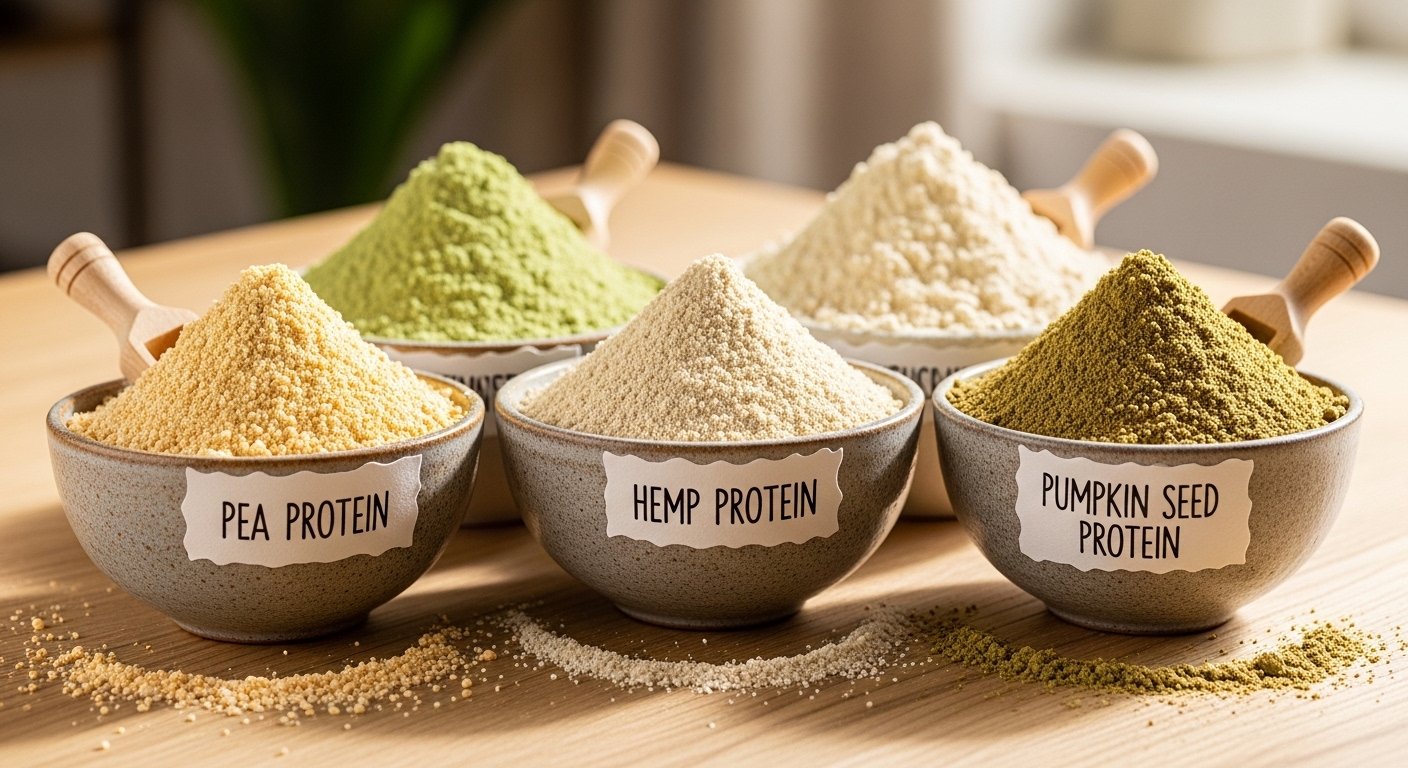
Plant-based nutrition has experienced explosive growth in recent years. Whether you’re vegan, vegetarian, lactose-intolerant, or simply trying to eat healthier, plant-based protein powders have become one of the most popular ways to boost daily protein intake.
From pea protein and brown rice protein to hemp, soy, and pumpkin seed protein, the market now offers dozens of vegan protein options. But with so many choices available, many people wonder:
- Which plant protein powder is the healthiest?
- Which vegan protein powder is best for muscle building?
- How do different plant proteins compare nutritionally?
This complete comparison guide to plant-based protein powders explains the differences between the most popular options, their nutritional profiles, benefits, drawbacks, and how to choose the best plant protein powder for your goals.
Why Plant-Based Protein Powders Are Growing in Popularity
Plant protein powders have become a staple for health-conscious consumers because they offer a clean and sustainable alternative to traditional whey protein.
Key benefits of plant-based protein include:
- Dairy-free and lactose-free
- Easier digestion for many people
- Lower environmental impact
- Rich in fiber and phytonutrients
- Suitable for vegan and vegetarian diets
Athletes, fitness enthusiasts, and everyday consumers are increasingly turning to vegan protein powders for muscle recovery, weight management, and overall nutrition.
Most Popular Types of Plant-Based Protein Powders
The most widely used plant protein powders come from seeds, legumes, and grains. Each type offers a unique nutritional profile and set of benefits.
1. Pea Protein Powder
Pea protein is one of the most popular plant-based protein supplements due to its high protein content and excellent digestibility.
Benefits
- High protein concentration (20–25g per serving)
- Rich in branched-chain amino acids (BCAAs)
- Supports muscle growth and recovery
- Hypoallergenic and easy to digest
Drawbacks
- Slight earthy taste
- Low in the amino acid methionine
Pea protein is often combined with rice protein to create a complete amino acid profile.
2. Brown Rice Protein Powder
Brown rice protein is another widely used vegan protein source made from whole-grain rice.
Benefits
- Easily digestible
- Hypoallergenic
- Smooth texture
Drawbacks
- Lower lysine content
- Slightly lower protein percentage compared to pea protein
Brown rice protein works best when blended with other plant proteins.
3. Hemp Protein Powder
Hemp protein comes from hemp seeds and is considered one of the most natural plant protein sources.
Benefits
- Contains omega-3 and omega-6 fatty acids
- High fiber content
- Rich in magnesium and iron
Drawbacks
- Lower protein content per serving
- Slightly nutty taste that some people dislike
Hemp protein is excellent for people focused on whole-food nutrition rather than maximum protein concentration.
4. Soy Protein Powder
Soy protein is one of the few plant proteins that provides a complete amino acid profile similar to animal protein.
Benefits
- Complete protein
- High protein concentration
- Strong scientific support for muscle building
Drawbacks
- Potential allergen
- Some consumers avoid soy due to hormone concerns (though research generally shows it is safe)
Soy protein remains one of the most effective plant proteins for muscle growth.
5. Pumpkin Seed Protein
Pumpkin seed protein powder is gaining popularity as a nutrient-dense alternative.
Benefits
- Rich in magnesium, zinc, and antioxidants
- Good source of healthy fats
- Naturally gluten-free
Drawbacks
- Lower protein concentration than pea or soy
- Strong seed flavor
It works well for people looking for whole-food protein powders with additional nutrients.
Comparison Table: Plant-Based Protein Powders
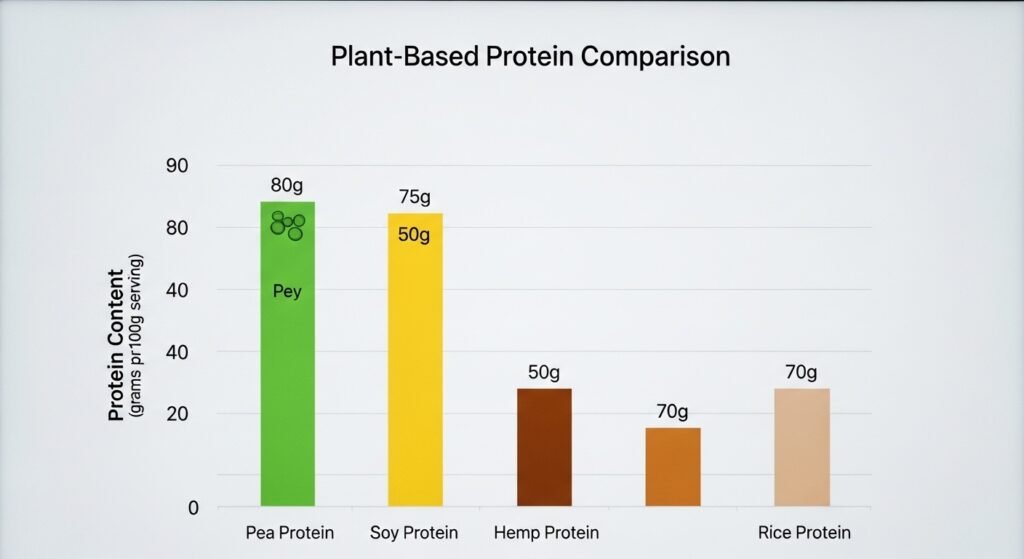
| Protein Type | Protein Per Serving | Amino Acid Profile | Digestibility | Best For |
|---|---|---|---|---|
| Pea Protein | 20–25g | Nearly complete | Excellent | Muscle growth and recovery |
| Brown Rice Protein | 18–22g | Low lysine | Very good | Sensitive digestion |
| Hemp Protein | 12–15g | Moderate | Good | Whole-food nutrition |
| Soy Protein | 20–25g | Complete | Excellent | Athletes and muscle building |
| Pumpkin Seed Protein | 15–20g | Moderate | Good | Nutrient-rich supplementation |
How to Choose the Best Plant-Based Protein Powder
Selecting the right vegan protein powder depends on your health goals, dietary preferences, and digestive tolerance.
Here are the most important factors to consider.
1. Protein Content
For muscle building or athletic recovery, choose powders with 20g or more protein per serving.
High-protein options include:
- Pea protein
- Soy protein
- blended vegan proteins
2. Amino Acid Profile
Complete proteins contain all nine essential amino acids.
Best plant-based complete protein options:
- Soy protein
- Pea + rice blends
- multi-source vegan protein powders
Blended formulas often provide the most balanced amino acid profile.
3. Digestibility
Some people experience bloating from protein powders.
The easiest plant proteins to digest include:
- Pea protein
- rice protein
- hemp protein
Choosing products with digestive enzymes can also help.
4. Ingredient Quality
The best plant-based protein powders contain:
- Minimal ingredients
- No artificial sweeteners
- Organic or non-GMO sources
Avoid products with excessive fillers or artificial additives.
5. Flavor and Texture
Taste is an important factor for long-term use.
Common flavor characteristics:
- Pea protein: mild earthy flavor
- Hemp protein: nutty taste
- Rice protein: neutral flavor
- Soy protein: smooth texture
Many brands offer vanilla, chocolate, and unflavored options.
Practical Tips for Using Plant-Based Protein Powders
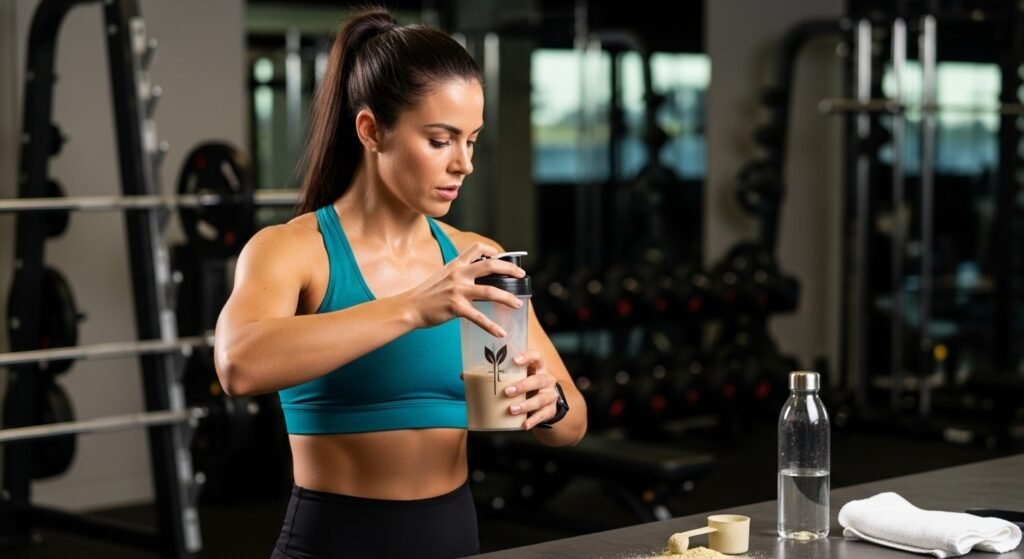
To maximize the benefits of plant protein supplements, follow these practical tips.
1. Blend Different Plant Proteins
Combining different plant proteins improves amino acid balance.
Example combination:
- pea protein + brown rice protein
This creates a complete protein profile similar to whey.
2. Use Protein Powder in More Than Smoothies
Plant-based protein powder can be used in many recipes:
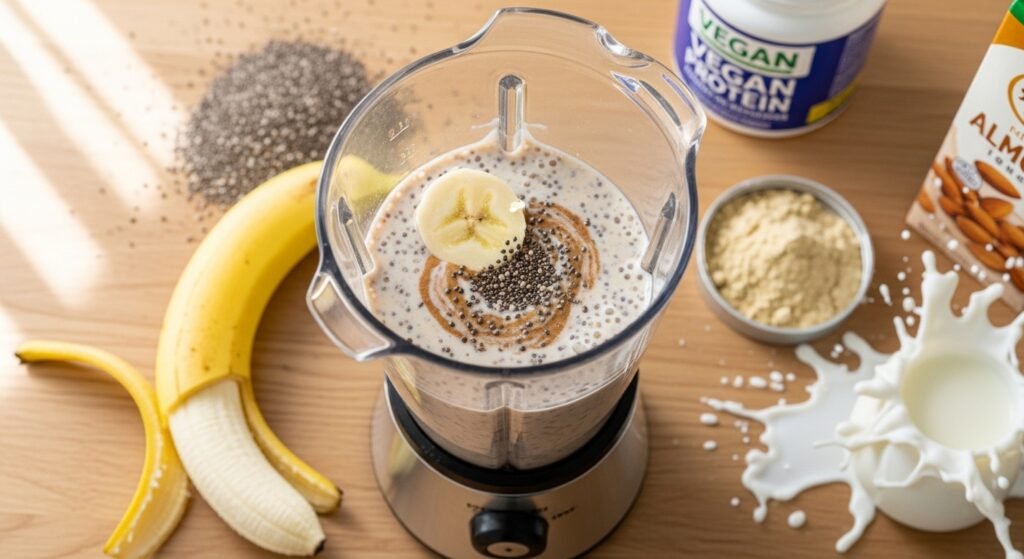
- smoothies
- protein pancakes
- oatmeal
- energy balls
- baked goods
This helps increase daily protein intake naturally.
3. Add Healthy Fats and Fiber
Adding healthy ingredients improves nutrient absorption and satiety.
Examples include:
- chia seeds
- flax seeds
- almond butter
- oats
4. Time Protein Intake Strategically
Protein timing can support fitness goals.
Best times to consume plant protein:
- post-workout recovery
- breakfast smoothies
- between meals for satiety
Frequently Asked Questions
What is the best plant-based protein powder?
The best plant-based protein powder depends on your goals. Pea protein and soy protein are often considered the best options because they provide high protein content and strong amino acid profiles.
Is plant-based protein as effective as whey protein?
Yes. When properly formulated, plant-based protein blends can provide similar muscle-building benefits to whey protein, especially when they contain complete amino acid profiles.
Which vegan protein powder is easiest to digest?
Pea protein and brown rice protein are typically the easiest plant proteins to digest and are suitable for people with sensitive stomachs.
Can plant protein help build muscle?
Yes. Plant-based protein powders can support muscle growth when consumed in adequate amounts alongside resistance training and a balanced diet.
Should I choose a blended plant protein?
Blended vegan protein powders are often the best choice because they combine multiple plant sources to create a complete amino acid profile.
Final Thoughts: Choosing the Right Plant-Based Protein Powder
Plant-based protein powders offer a powerful, sustainable, and nutritious way to meet daily protein needs. Whether your goal is muscle growth, weight management, improved nutrition, or vegan living, there is a plant protein option that fits your lifestyle.
Pea protein and soy protein deliver the highest protein content, while hemp and pumpkin seed proteins provide additional nutrients and whole-food benefits. Many experts recommend blended plant protein formulas because they offer the most balanced amino acid profiles.
The key to choosing the best plant-based protein powder is focusing on high-quality ingredients, strong protein content, good digestibility, and flavors you enjoy.
As plant-based nutrition continues to grow worldwide, vegan protein powders are becoming one of the most convenient and effective tools for supporting a healthy lifestyle.
✨ About Artisan Anthology
At Artisan Anthology, we curate timeless digital creations designed to inspire and elevate every part of your lifestyle. Our collection includes brand books, digital templates, recipes, ebooks, wardrobe planners, fashion guides, printable wall art, and elegant home décor designs. We also specialize in wedding cards, invitations, baby shower cards, and engagement cards, each crafted to celebrate life’s most meaningful moments.
For professionals and dreamers alike, our CV templates, guided journals, and manifestation planners are created with intention to help you tell your story beautifully and authentically.
✨ Discover our full collection of digital products here → ArtisanAnthology.xyz