

Heart disease remains one of the leading causes of death worldwide. According to global health research, millions of people die every year from cardiovascular conditions such as coronary artery disease, heart attacks, and heart failure. The biggest challenge in treating heart disease is late diagnosis. Many people do not show clear symptoms until the disease has already progressed.
This is where Artificial Intelligence (AI) is transforming modern healthcare. AI-powered tools can analyze medical data, identify patterns, and detect subtle warning signs of cardiovascular disease much earlier than traditional diagnostic methods.
In this comprehensive guide, we will explore how AI in early heart disease detection works, the technologies involved, real-world applications, benefits, limitations, and how AI is shaping the future of preventive cardiology.
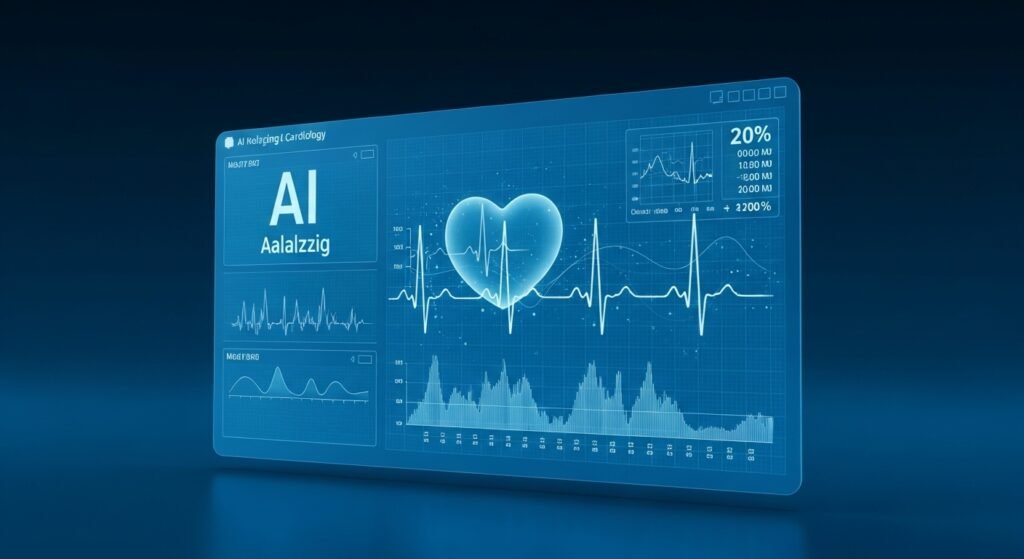
What Is AI in Early Heart Disease Detection?
AI in healthcare refers to advanced algorithms and machine learning models that analyze large medical datasets to support diagnosis, treatment planning, and patient monitoring.
When applied to cardiovascular care, AI systems can analyze:
- Electrocardiograms (ECG)
- Medical imaging (CT scans, MRI, echocardiograms)
- Blood test results
- Electronic health records
- Wearable device data
- Lifestyle patterns and risk factors
Using predictive analytics, AI can identify early indicators of heart disease before symptoms appear, allowing doctors to intervene sooner and prevent serious complications.
Why Early Detection of Heart Disease Matters
Early detection significantly improves treatment outcomes.
Benefits of early heart disease diagnosis:
- Prevents heart attacks and strokes
- Enables lifestyle changes before damage occurs
- Reduces healthcare costs
- Improves long-term survival rates
- Allows personalized treatment strategies
Traditional diagnostic methods often rely on visible symptoms or advanced imaging tests. AI can detect hidden risk patterns years earlier.
How AI Detects Heart Disease Earlier Than Traditional Methods
AI algorithms learn from massive medical datasets and recognize patterns that are invisible to the human eye.
Key technologies used in AI heart disease detection
Machine Learning
Machine learning models analyze thousands of patient cases to predict risk levels for new patients.
Deep Learning
Deep neural networks interpret complex medical images such as CT scans and echocardiograms.
Natural Language Processing (NLP)
NLP systems analyze electronic health records to identify risk factors in patient histories.
Predictive Analytics
AI models calculate the probability of future heart events based on lifestyle, genetics, and clinical data.
These technologies help doctors make faster and more accurate diagnostic decisions.
Real-World Applications of AI in Cardiovascular Medicine
AI is already being used in hospitals and research centers worldwide.
AI Analysis of ECG Signals
AI can detect subtle abnormalities in electrocardiograms that may indicate early heart disease.
Some AI systems can identify:
- silent arrhythmias
- early heart failure
- abnormal heart rhythms
These tools help doctors diagnose patients faster and with greater accuracy.

AI in Medical Imaging
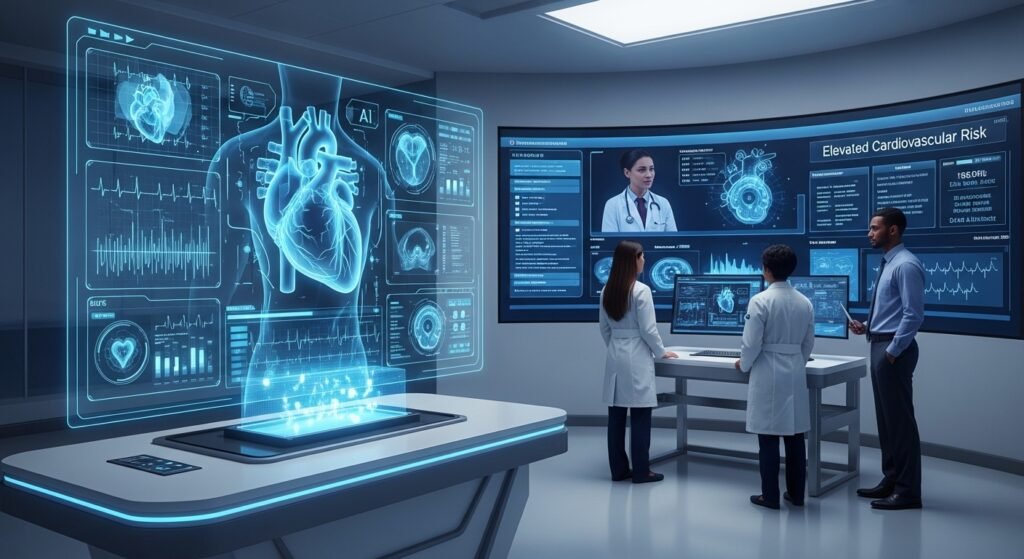
AI-powered imaging software analyzes CT scans and MRI images to identify cardiovascular issues.
AI can detect:
- blocked arteries
- plaque buildup
- structural heart abnormalities
These insights help cardiologists diagnose heart disease at much earlier stages.
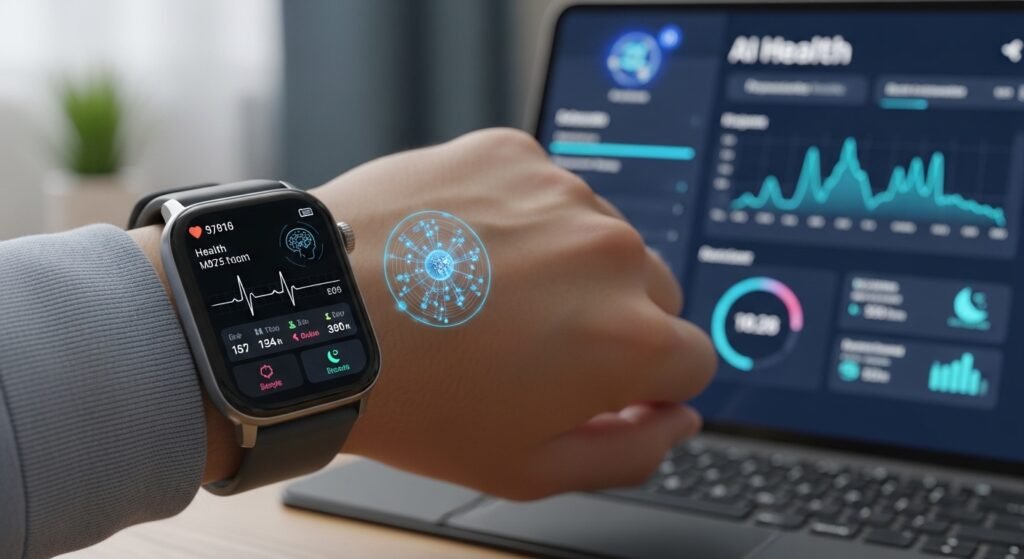
Wearable Devices and AI Monitoring
Wearable health technology such as smartwatches can continuously track heart-related metrics.
These devices monitor:
- heart rate variability
- blood oxygen levels
- physical activity
- sleep patterns
AI analyzes this data to detect early warning signs of cardiovascular problems.
Comparison Table: Traditional Detection vs AI-Based Heart Disease Detection
| Feature | Traditional Methods | AI-Powered Detection |
|---|---|---|
| Diagnostic speed | Slower manual analysis | Rapid automated analysis |
| Pattern recognition | Limited to visible signs | Detects hidden patterns |
| Data processing | Small datasets | Massive datasets |
| Predictive ability | Limited risk prediction | Advanced predictive models |
| Monitoring | Periodic doctor visits | Continuous monitoring via devices |
AI enhances—not replaces—medical professionals by providing deeper insights and faster analysis.
Practical Benefits of AI in Early Heart Disease Detection
Improved Diagnostic Accuracy
AI systems reduce human error and improve detection rates.
Faster Medical Decisions
Doctors receive AI-generated insights within seconds, speeding up treatment planning.
Personalized Risk Assessment
AI analyzes genetic, lifestyle, and medical data to create personalized cardiovascular risk profiles.
Remote Health Monitoring
Patients can be monitored at home using AI-powered wearable devices.
This approach improves preventive healthcare.
Challenges and Limitations of AI in Cardiology
Although AI offers many benefits, it also faces challenges.
Data privacy concerns
Healthcare data must be protected to ensure patient confidentiality.
Algorithm bias
AI models trained on limited datasets may produce biased results.
Regulatory approval
Medical AI tools must undergo strict regulatory testing before clinical use.
Integration with healthcare systems
Hospitals must adapt infrastructure to integrate AI technologies.
Despite these challenges, AI continues to advance rapidly in medical diagnostics.
The Future of AI in Heart Disease Prevention
The future of cardiovascular healthcare will be increasingly powered by AI.
Emerging technologies include:
- AI-powered digital twins of patients
- predictive heart attack risk models
- AI-driven drug discovery
- real-time wearable health monitoring
Healthcare experts believe AI will soon allow doctors to predict heart disease years before symptoms appear.
This shift from reactive treatment to preventive medicine could save millions of lives.
Frequently Asked Questions
How does AI detect heart disease early?
AI detects heart disease early by analyzing medical data such as ECG signals, medical imaging, blood tests, and wearable device data to identify subtle patterns linked to cardiovascular risk.
Can AI predict heart attacks?
AI models can estimate the probability of heart attacks by analyzing risk factors such as cholesterol levels, blood pressure, lifestyle habits, and genetic data.
Are AI heart detection tools used in hospitals?
Yes. Many hospitals use AI-powered software to assist cardiologists in interpreting medical scans, analyzing ECG results, and identifying cardiovascular abnormalities.
Are wearable devices useful for heart disease detection?
Yes. Smartwatches and wearable fitness trackers can monitor heart rate, sleep patterns, and activity levels. AI analyzes this data to detect early warning signs.
Will AI replace cardiologists?
No. AI supports cardiologists by providing data insights and predictions, but final diagnoses and treatment decisions remain the responsibility of medical professionals.
Practical Tips to Reduce Your Heart Disease Risk
While AI technology improves detection, prevention remains essential.
Follow these heart-healthy habits:
- Exercise regularly
- Eat a balanced diet rich in fruits and vegetables
- Maintain healthy cholesterol levels
- Manage stress
- Get regular medical checkups
- Monitor your heart health with wearable devices
Combining healthy habits with modern technology offers the best protection.
Conclusion: AI Is Transforming the Future of Heart Disease Detection
Artificial intelligence is revolutionizing cardiovascular healthcare by enabling earlier and more accurate heart disease detection. By analyzing complex medical data, AI systems help doctors identify hidden risks long before symptoms appear.
From wearable devices to advanced imaging analysis, AI technologies are making preventive healthcare smarter, faster, and more accessible.
As research continues and AI systems improve, the future of heart disease prevention looks promising. Early detection powered by artificial intelligence could save millions of lives and transform how we approach cardiovascular health.
If you want to protect your heart, stay informed about emerging medical technologies, adopt healthy lifestyle habits, and take advantage of modern health monitoring tools. Early awareness and proactive care remain the most powerful tools for preventing heart disease.
✨ About Artisan Anthology
At Artisan Anthology, we curate timeless digital creations designed to inspire and elevate every part of your lifestyle. Our collection includes brand books, digital templates, recipes, ebooks, wardrobe planners, fashion guides, printable wall art, and elegant home décor designs. We also specialize in wedding cards, invitations, baby shower cards, and engagement cards, each crafted to celebrate life’s most meaningful moments.
For professionals and dreamers alike, our CV templates, guided journals, and manifestation planners are created with intention to help you tell your story beautifully and authentically.
✨ Discover our full collection of digital products here → ArtisanAnthology.xyz