
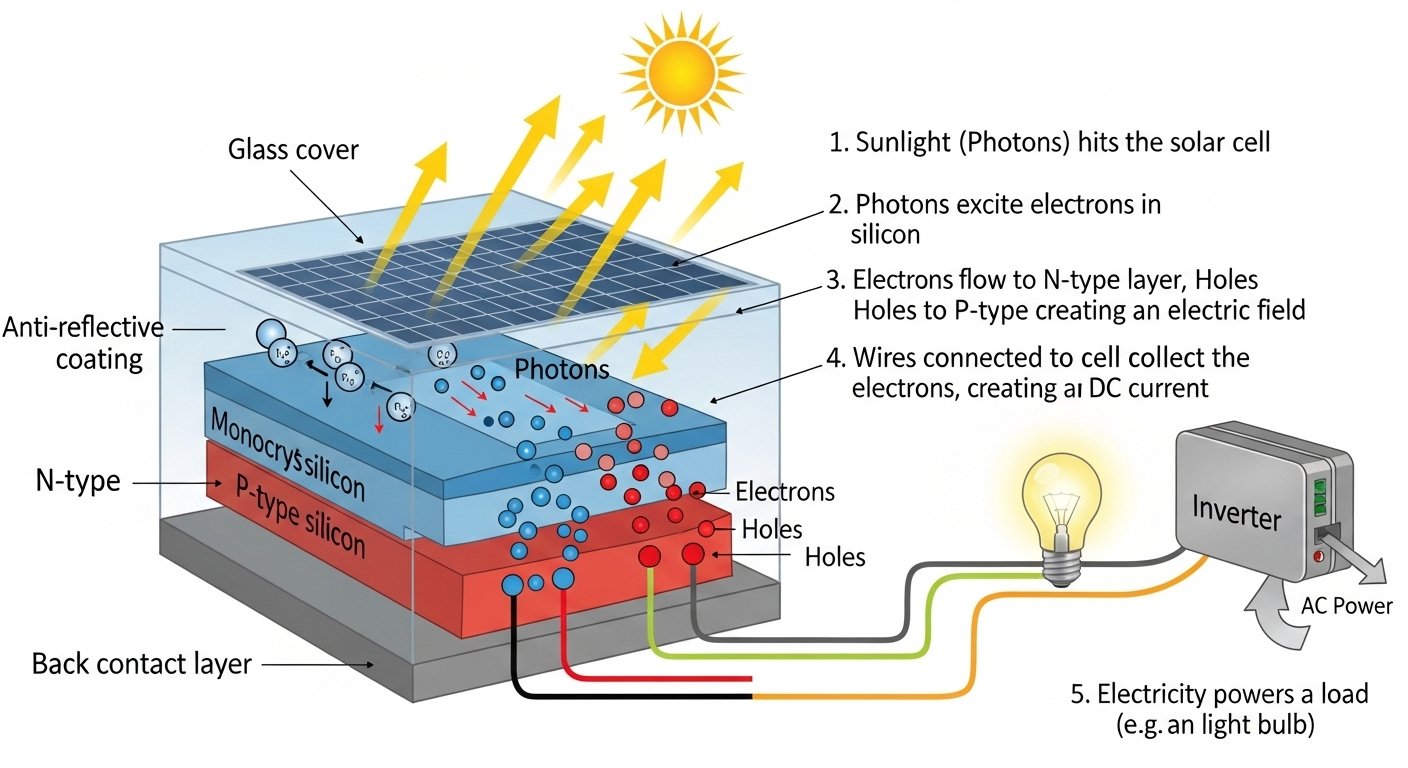
As energy costs continue to rise and environmental concerns grow, more homeowners are exploring renewable energy solutions. One of the most effective ways to reduce electricity bills and lower your carbon footprint is to convert your home to solar energy.
Solar power harnesses energy from the sun using photovoltaic panels that generate electricity for your household. With advancements in solar technology and falling installation costs, solar energy has become one of the most practical and accessible renewable energy solutions for homeowners.
This comprehensive guide explains how to convert your home to solar energy, the costs and benefits involved, installation steps, practical tips, and how solar power can transform your home into a clean energy system.
What Does Converting a Home to Solar Energy Mean?
Converting your home to solar energy means installing a system that uses sunlight to generate electricity.
A residential solar system typically includes:
- solar panels
- an inverter
- mounting structures
- electrical wiring
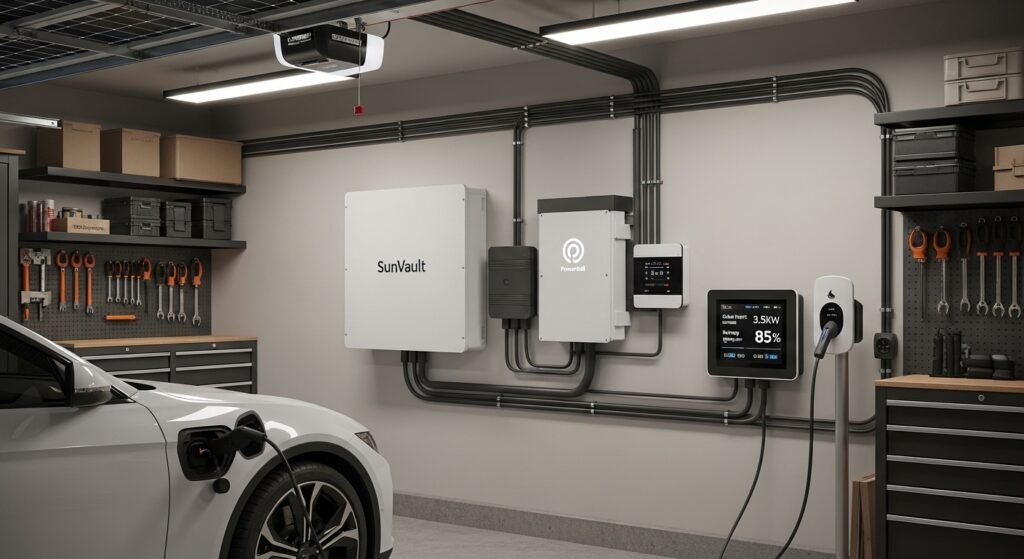
- optional battery storage
The panels capture sunlight and convert it into electricity that powers your home appliances.
Any extra energy can either be:
- stored in batteries
- sent back to the electrical grid (depending on your location)
This process reduces dependence on traditional fossil fuel power sources.
Why Homeowners Are Switching to Solar Energy
The adoption of residential solar systems has grown rapidly in recent years.
Key reasons include:
Lower electricity bills
Solar panels generate free electricity once installed.
Environmental benefits
Solar power reduces greenhouse gas emissions and fossil fuel usage.
Energy independence
Solar systems reduce dependence on unstable utility prices.
Increased home value
Homes with solar installations often attract buyers interested in energy efficiency.
Long-term savings
While installation requires upfront investment, solar systems can produce energy for 25 years or more.
How Solar Panels Generate Electricity
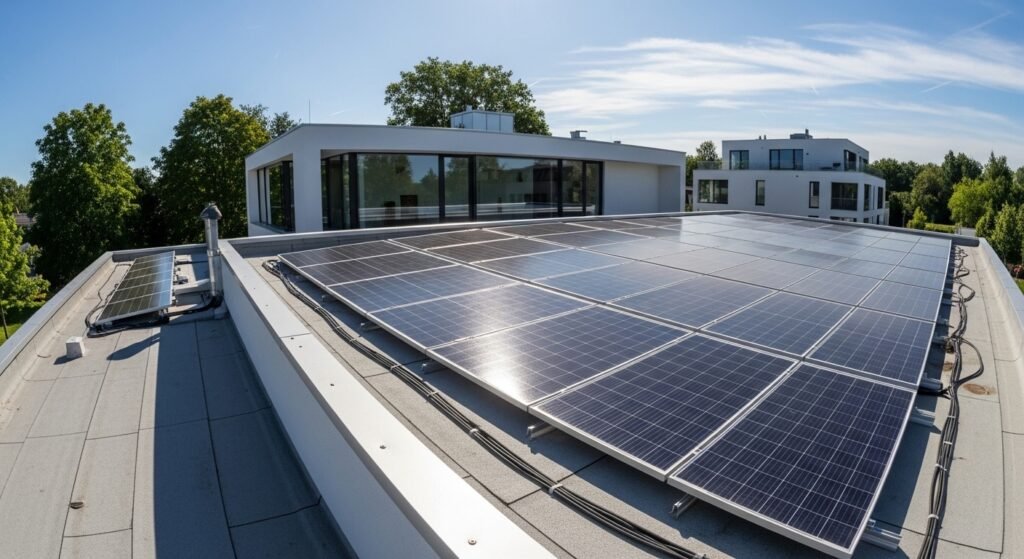
Solar panels contain photovoltaic cells that convert sunlight into electricity.
Here is how the process works:
- Sunlight hits solar panels on your roof.
- Photovoltaic cells generate direct current (DC) electricity.
- An inverter converts DC electricity into alternating current (AC).
- AC electricity powers your home appliances.
Excess electricity can be stored in solar batteries or exported to the grid.
Step-by-Step Guide to Converting Your Home to Solar Energy
Step 1: Evaluate Your Home’s Solar Potential
Before installing solar panels, assess whether your home is suitable.
Key factors include:
- roof orientation
- sunlight exposure
- roof size
- shading from trees or buildings
South-facing roofs with minimal shading typically generate the most energy.
A professional solar assessment can determine your home’s solar potential.
Step 2: Calculate Your Energy Needs
Review your electricity bills to determine your average monthly usage.
Key metrics include:
- monthly kilowatt-hour consumption
- peak electricity demand
- seasonal energy variations
This information helps determine the solar system size required for your home.
Step 3: Choose the Right Solar System
There are different types of solar power systems.
Grid-tied solar systems
These systems connect to the utility grid and allow excess electricity to be exported.
Off-grid systems
Off-grid solar systems operate independently and rely on battery storage.
Hybrid solar systems
Hybrid systems combine solar panels with battery storage and grid connectivity.
Each option offers different benefits depending on your energy goals.
Comparison Table: Types of Residential Solar Systems
| Solar System Type | Grid Connection | Battery Storage | Best For |
|---|---|---|---|
| Grid-tied system | Yes | Optional | Most urban homes |
| Off-grid system | No | Required | Remote areas |
| Hybrid system | Yes | Yes | Energy independence |
Understanding these systems helps homeowners choose the best solution.
Key Components of a Home Solar Energy System
Solar Panels
Solar panels capture sunlight and convert it into electricity.
Most residential systems use monocrystalline or polycrystalline panels.
Monocrystalline panels offer higher efficiency.
Solar Inverter
The inverter converts DC electricity into AC electricity usable by home appliances.
Types include:
- string inverters
- microinverters
- hybrid inverters
Solar Batteries
Batteries store excess electricity generated during the day.
This stored energy can power your home at night or during power outages.
Popular battery options provide backup energy and energy independence.
Monitoring System
Many solar systems include digital monitoring tools that track energy production and usage.
These systems allow homeowners to monitor efficiency in real time.
Practical Tips for Home Solar Installation
Optimize roof placement
Solar panels perform best when installed at an angle that maximizes sunlight exposure.
Reduce energy consumption first
Improving energy efficiency before installing solar panels can reduce system size and cost.
Examples include:
- LED lighting
- energy-efficient appliances
- improved insulation
Consider battery storage
Battery systems increase resilience during power outages and maximize solar energy usage.
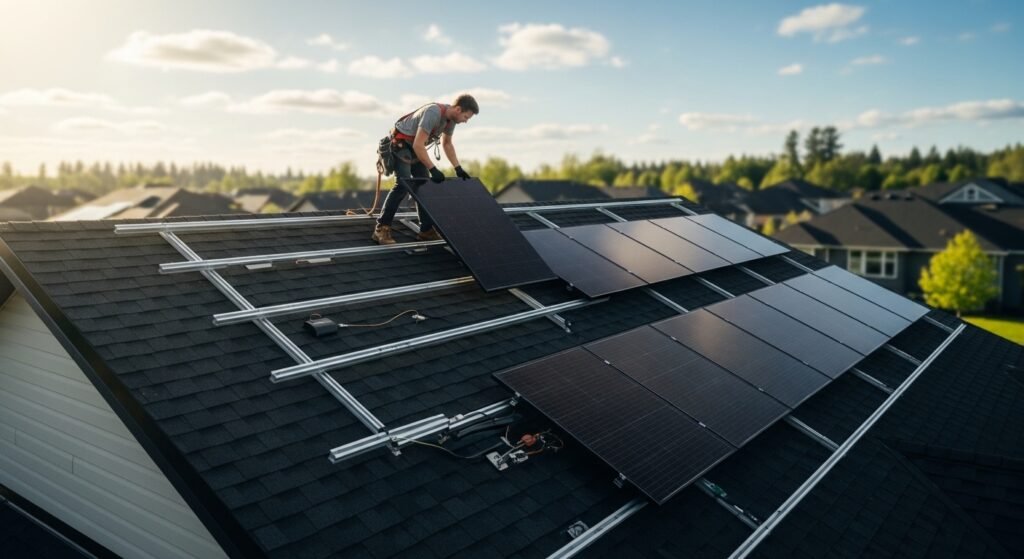
Work with certified installers
Professional installation ensures safety, efficiency, and compliance with local regulations.
Cost of Converting a Home to Solar Energy
Solar installation costs vary depending on several factors:
- system size
- panel quality
- installation complexity
- battery storage inclusion
Although upfront costs can be significant, solar systems provide long-term savings through reduced electricity bills.
Many regions also offer incentives, tax credits, or financing options for solar installations.
Environmental Benefits of Solar Energy
Solar energy offers significant environmental advantages.
Reduced carbon emissions
Solar power produces electricity without burning fossil fuels.
Cleaner air
Solar energy reduces air pollution from power plants.
Renewable resource
Sunlight is an unlimited energy source.
Sustainable energy future
Solar energy supports global efforts to transition to renewable power.
Frequently Asked Questions
How much does it cost to convert a home to solar energy?
Costs vary depending on system size and location. However, solar systems typically provide long-term savings by reducing electricity bills over their 25-year lifespan.
Can solar panels power an entire house?
Yes. A properly designed solar system can generate enough electricity to power most or all household energy needs.
Do solar panels work on cloudy days?
Yes. Solar panels still generate electricity on cloudy days, although energy production may be reduced.
How long do solar panels last?
Most solar panels last 25 to 30 years, with minimal maintenance required.
Is battery storage necessary for solar energy systems?
Battery storage is optional for grid-connected systems but essential for off-grid systems.
Common Mistakes When Switching to Solar Energy
Ignoring roof condition
Solar panels last decades, so ensure the roof is structurally sound before installation.
Choosing low-quality equipment
High-quality panels and inverters provide better efficiency and reliability.
Skipping professional consultation
Professional solar assessments ensure the system meets your energy needs.
Future Trends in Home Solar Energy
The solar industry continues to evolve rapidly.
Emerging innovations include:
- solar roof tiles
- advanced battery storage systems
- smart energy management software
- improved panel efficiency
These technologies will make solar energy even more accessible for homeowners worldwide.
Conclusion: Start Your Solar Energy Journey Today
Converting your home to solar energy is one of the most impactful steps you can take toward energy independence, environmental sustainability, and long-term financial savings.
By installing solar panels, you reduce electricity costs, lower your carbon footprint, and contribute to a cleaner energy future.
With modern solar technology becoming more efficient and affordable, there has never been a better time to explore renewable energy solutions for your home.
Start by evaluating your energy usage, researching solar systems, and consulting with qualified installers. Taking the first step today could lead to decades of clean, renewable power for your household.
✨ About Artisan Anthology
At Artisan Anthology, we curate timeless digital creations designed to inspire and elevate every part of your lifestyle. Our collection includes brand books, digital templates, recipes, ebooks, wardrobe planners, fashion guides, printable wall art, and elegant home décor designs. We also specialize in wedding cards, invitations, baby shower cards, and engagement cards, each crafted to celebrate life’s most meaningful moments.
For professionals and dreamers alike, our CV templates, guided journals, and manifestation planners are created with intention to help you tell your story beautifully and authentically.
✨ Discover our full collection of digital products here → ArtisanAnthology.xyz