Central Bank Digital Currencies (CBDCs) are no longer theoretical. By 2026, multiple countries have launched pilots or full-scale implementations of government-backed digital currencies designed to modernize payments, reduce cash dependency, and increase financial inclusion.
But one critical concern dominates public discussion:
What happens to financial privacy in a CBDC world?
This guide explains:
✔ How CBDCs work
✔ What changed in 2026 CBDC policy updates
✔ Privacy risks and protections
✔ How CBDCs compare to cash and cryptocurrencies
✔ Practical steps to protect your financial data
If you’re a digital banking user, fintech creator, or privacy-conscious consumer, this is your complete CBDC privacy roadmap.
What Is a CBDC?
A Central Bank Digital Currency is a digital form of a country’s national currency issued and controlled by its central bank.
Unlike cryptocurrencies:
- CBDCs are centralized
- Transactions can be monitored
- They operate within banking regulations
CBDCs aim to:
✔ Enable instant payments
✔ Reduce transaction costs
✔ Improve financial transparency
✔ Combat fraud and money laundering
Key CBDC Updates in 2026
Recent developments include:
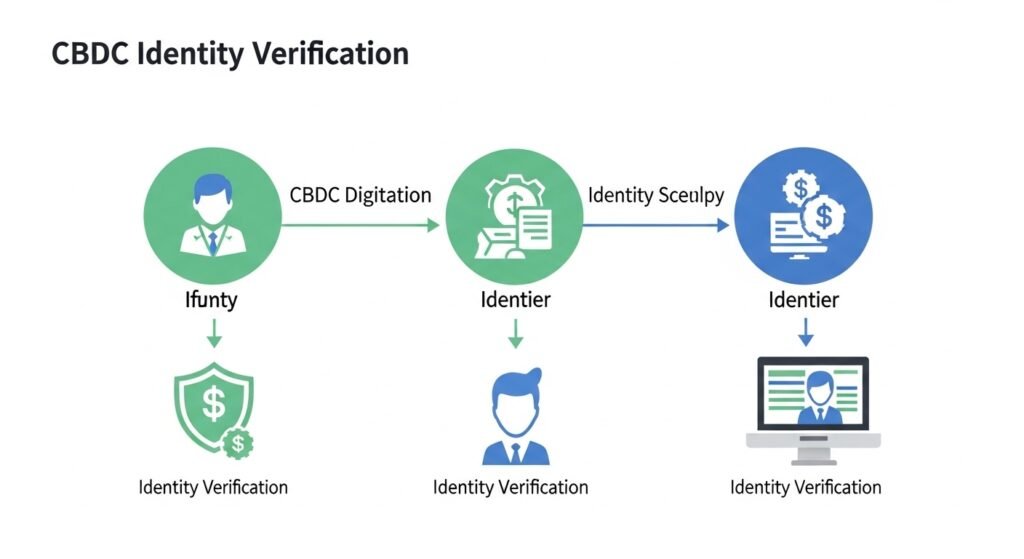
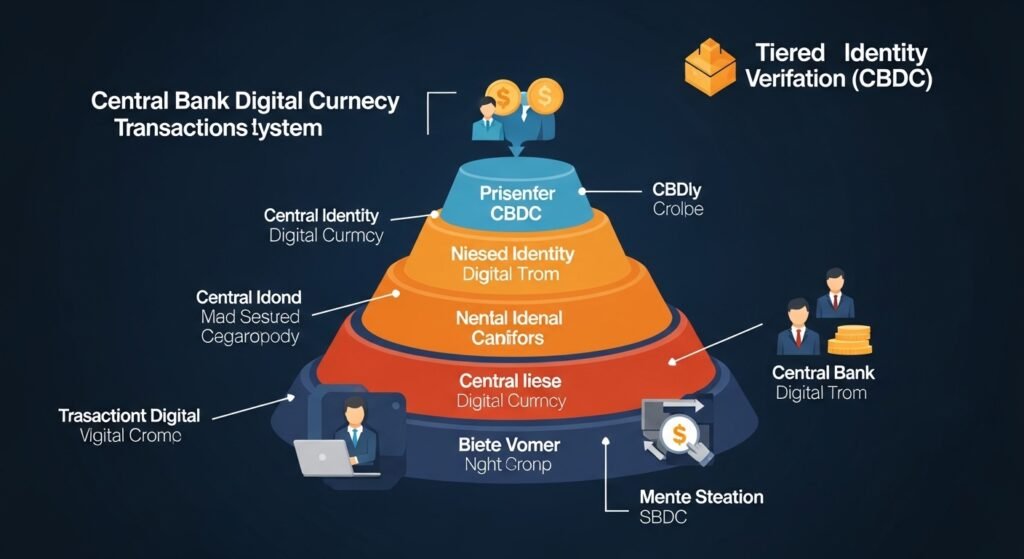
1. Tiered Privacy Models
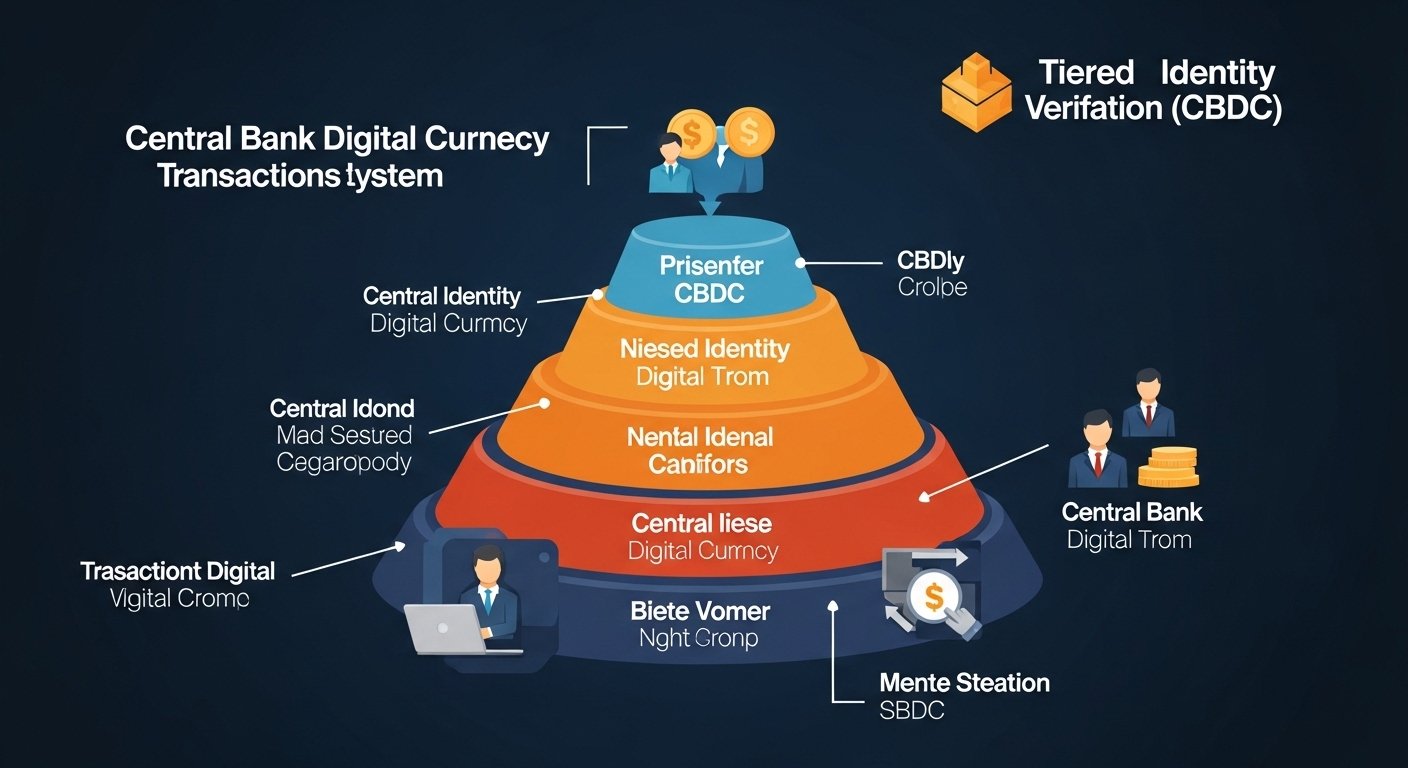
Many CBDCs now use tiered identity verification, meaning:
- Small transactions = higher privacy
- Large transactions = full identity tracking
This mimics cash for low-value payments while enabling compliance for high-value transfers.
2. Programmable Money Features
CBDCs can include:
✔ Spending limits
✔ Expiry dates for stimulus payments
✔ Restricted usage categories
This improves policy control but raises privacy and autonomy concerns.
3. Offline CBDC Payments
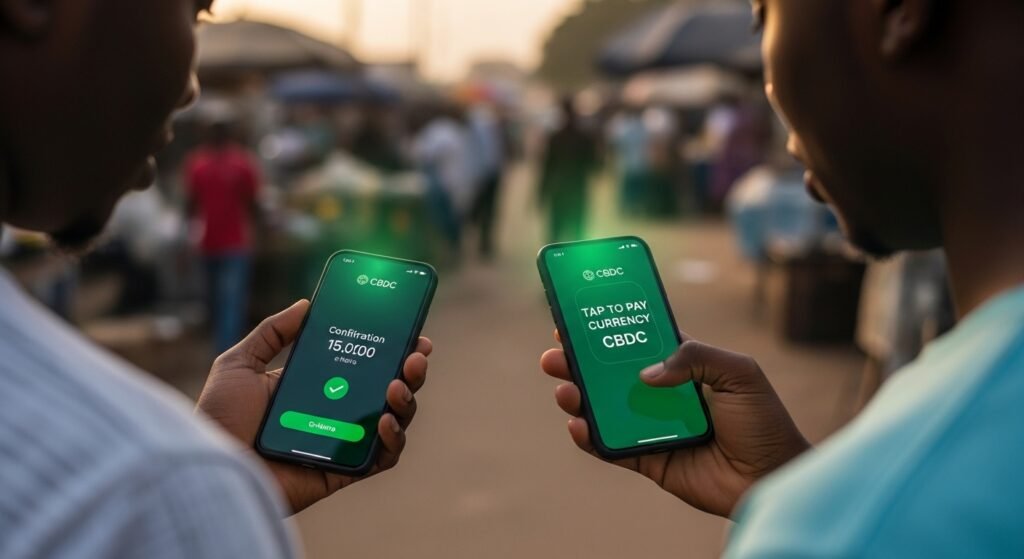
Some systems now allow offline transactions, reducing surveillance risk and increasing accessibility in low-connectivity regions.
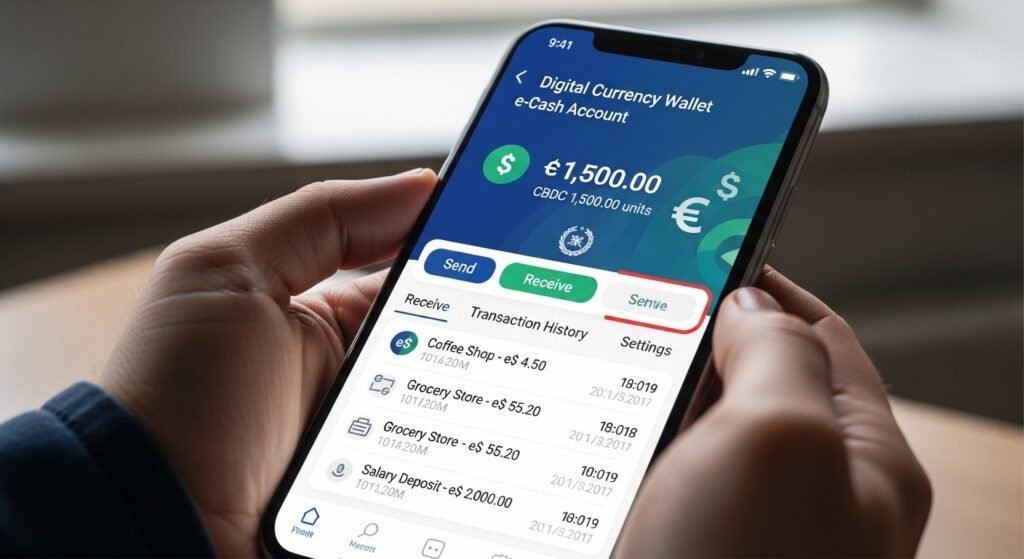
4. Interoperability with Digital Wallets
CBDCs now integrate with:
- Mobile banking apps
- Fintech wallets
- Cross-border payment systems
This increases convenience but expands data-sharing networks.
Why CBDC Privacy Matters
Financial data reveals:
- Spending habits
- Location patterns
- Political and social preferences
With CBDCs, transaction data may be:
✔ Stored centrally
✔ Accessible to regulators
✔ Used for compliance monitoring
The debate centers on:
Convenience vs financial privacy.
CBDC vs Cash vs Cryptocurrency (Privacy Comparison)
| Feature | CBDC | Cash | Cryptocurrency |
|---|---|---|---|
| Anonymity | Low to moderate | High | Moderate (pseudonymous) |
| Traceability | High | None | Public blockchain |
| Government control | Full | None | None |
| Programmability | Yes | No | Limited (smart contracts) |
| Offline use | Emerging | Yes | Limited |
| Compliance tracking | Built-in | No | Partial |
CBDCs offer less privacy than cash, but more regulatory safety.
Types of CBDC Privacy Models
Account-Based CBDCs
Users must verify identity with the central bank or a regulated intermediary.
Privacy level: Low.
Token-Based CBDCs
Digital tokens function like digital cash.
Privacy level: Higher, especially for small transactions.
Hybrid Models
Most 2026 systems use hybrid CBDCs, combining:
✔ Bank-managed wallets
✔ Central bank settlement layers
This balances usability and oversight.
Privacy Risks of CBDCs
1. Transaction Surveillance
Governments could theoretically:
- Track purchases
- Monitor financial behavior
2. Data Centralization
A single breach could expose:
✔ Millions of transaction records
3. Programmable Spending Controls
Potential restrictions on:
- What you can buy
- Where you can spend
4. Reduced Financial Anonymity
Cash-like anonymity becomes limited.
Privacy Protections Being Implemented
To address concerns, many CBDC frameworks include:
Privacy by Design
- Minimal data collection
- Encrypted transaction layers
Tiered KYC Systems
Small transactions require minimal identity verification.
Zero-Knowledge Proof Experiments
Some pilot programs use cryptographic techniques that:
✔ Verify transactions
✔ Without revealing personal data
Offline Wallet Options
Allow private, local transactions without real-time central logging.
How CBDCs Affect Digital Banking Users
CBDCs will:
✔ Integrate into mobile banking apps
✔ Enable instant settlement
✔ Reduce transfer fees
But also:
❗ Increase identity-linked transactions
❗ Expand financial data trails
Practical Tips to Protect Your Financial Privacy
Use Tiered Wallets Strategically
Keep small daily transactions in low-KYC wallets where allowed.
Separate Spending Categories
Use different wallets for:
- Bills
- Daily expenses
- Savings
Monitor Data Permissions
Choose fintech apps with:
✔ Strong encryption
✔ Limited data sharing
Stay Informed About CBDC Policies
Privacy features vary by country.
Maintain a Cash Buffer
Cash still provides full anonymity where legal.
FAQs
Are CBDCs private?
CBDCs offer limited privacy compared to cash, but many include tiered privacy for small transactions.
Can governments see CBDC transactions?
In most models, regulators can access transaction data for compliance purposes.
Are CBDCs safer than cryptocurrencies?
CBDCs are more stable and regulated but less private than decentralized cryptocurrencies.
Will CBDCs replace cash?
Most countries plan to keep cash alongside CBDCs, not eliminate it.
How can I protect my privacy using CBDCs?
Use low-value wallets, monitor app permissions, and stay informed about local regulations.
The Future of CBDC Privacy
By 2030, we may see:
✔ Zero-knowledge CBDC transactions
✔ Fully offline digital cash systems
✔ Cross-border privacy standards
The key challenge will be balancing:
Security, compliance, and personal financial freedom.
Final Thoughts: Prepare for a Programmable Money Future
CBDCs will reshape digital banking by:
✔ Enabling instant payments
✔ Reducing transaction costs
✔ Expanding financial access
But they also introduce:
❗ New privacy considerations
❗ Greater financial transparency
To stay protected:
- Understand how your country’s CBDC works
- Use privacy-preserving wallet features
- Diversify how you store and spend money
- Stay updated on policy changes
The future of money is digital — but your financial privacy strategy must evolve with it.
✨ About Artisan Anthology
At Artisan Anthology, we curate timeless digital creations designed to inspire and elevate every part of your lifestyle. Our collection includes brand books, digital templates, recipes, ebooks, wardrobe planners, fashion guides, printable wall art, and elegant home décor designs. We also specialize in wedding cards, invitations, baby shower cards, and engagement cards, each crafted to celebrate life’s most meaningful moments.
For professionals and dreamers alike, our CV templates, guided journals, and manifestation planners are created with intention to help you tell your story beautifully and authentically.
✨ Discover our full collection of digital products here → ArtisanAnthology.xyz