
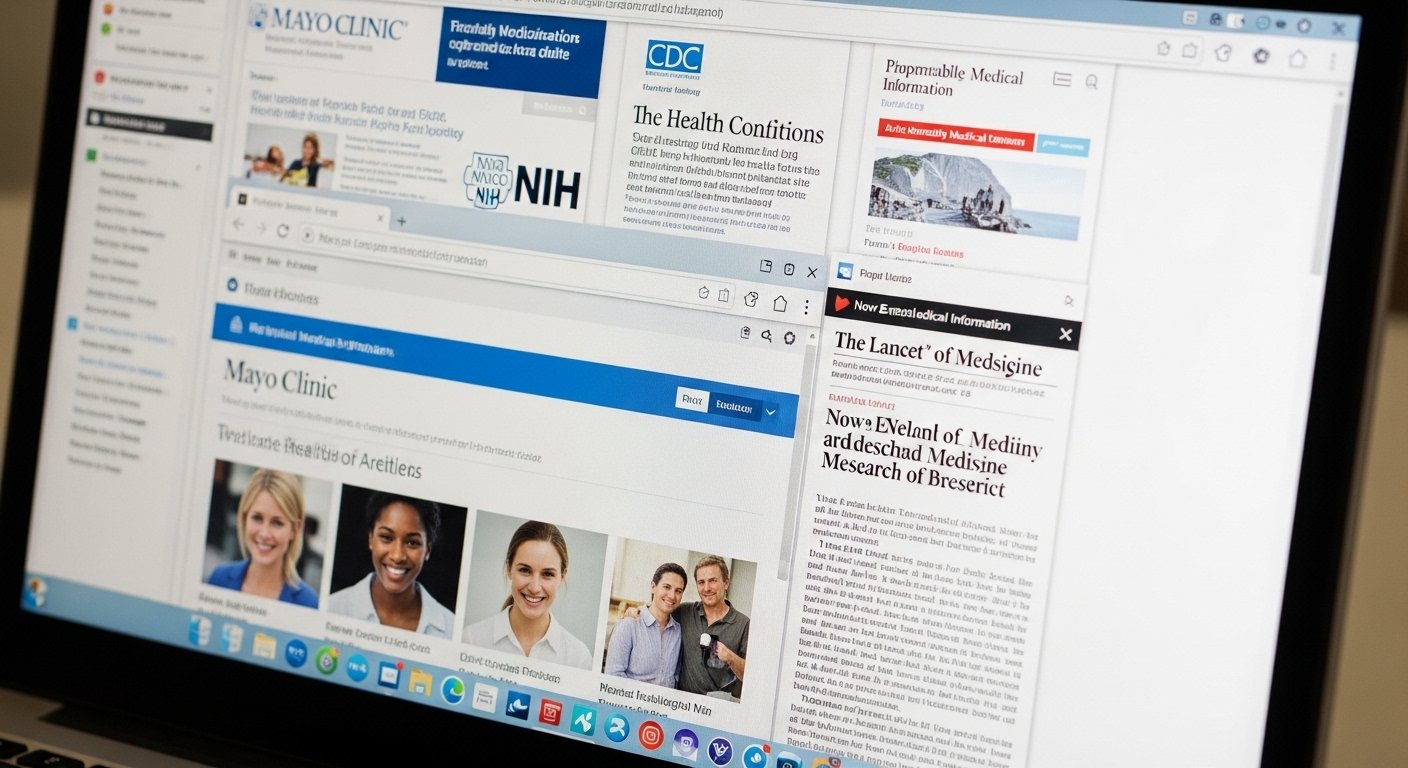
In today’s digital age, millions of people turn to the internet for health advice, symptoms explanations, treatment options, and medical research. While the internet offers an enormous amount of information, not all health content online is accurate or trustworthy. Misinformation can lead to confusion, anxiety, or even dangerous health decisions.
Learning how to find credible medical information online is an essential skill for anyone who wants to make informed health choices. Reliable health information can help you better understand symptoms, communicate with healthcare professionals, and make educated decisions about treatments and lifestyle changes.
This comprehensive guide will teach you how to identify trustworthy medical sources, avoid misinformation, evaluate scientific evidence, and find reliable health resources online.

Why Finding Credible Medical Information Matters
Health misinformation spreads quickly on the internet, especially through social media, blogs, and unverified websites. Incorrect medical advice can lead to:
- delayed medical treatment
- misuse of medications
- dangerous self-diagnosis
- increased anxiety about symptoms
Reliable medical information helps people:
- understand health conditions
- prepare better questions for doctors
- make safer lifestyle choices
- avoid harmful health myths
Understanding how to verify medical information online protects both your health and the health of others.
Common Problems With Online Health Information
Before learning how to find reliable information, it’s important to understand why health misinformation spreads.
Anyone can publish health advice
Unlike scientific journals, many websites do not require medical expertise to publish health articles.
Outdated medical information
Medical research evolves quickly. An article written five years ago may no longer reflect current medical guidelines.
Misleading headlines
Some websites exaggerate medical claims to attract clicks.
Example:
“Miracle cure for diabetes discovered!”
These types of headlines often oversimplify or misrepresent scientific research.
Step-by-Step Guide to Finding Credible Medical Information Online
1. Check the Source of the Information
The first step in evaluating health information is identifying who published the content.
Reliable medical sources include:
- government health websites
- university medical centers
- hospitals and research institutions
- peer-reviewed medical journals
- well-known health organizations
Websites ending in these domains are usually more trustworthy:
- .gov
- .edu
- .org (reputable organizations)
Be cautious with websites that exist mainly to sell supplements or products.

2. Verify the Author’s Credentials
Credible health articles usually include information about the author.
Look for credentials such as:
- MD (Medical Doctor)
- DO (Doctor of Osteopathic Medicine)
- RN (Registered Nurse)
- PhD in medical or scientific fields
If the article does not identify an author or medical reviewer, it may not be reliable.
3. Check the Publication Date
Medical knowledge changes frequently.
Always check:
- when the article was published
- whether it has been updated recently
A good rule is to prioritize information published or updated within the last 3–5 years, unless it is foundational medical knowledge.
4. Look for Scientific Evidence and References
Reliable medical articles cite scientific studies.
Look for references to:
- peer-reviewed research
- clinical studies
- medical guidelines
- reputable medical journals
Articles that make bold claims without supporting research should be viewed with skepticism.
5. Compare Information Across Multiple Sources
Never rely on a single website for medical advice.
Instead, check multiple reputable sources and see whether they provide similar information.
If several trusted health organizations provide the same advice, the information is more likely to be accurate.
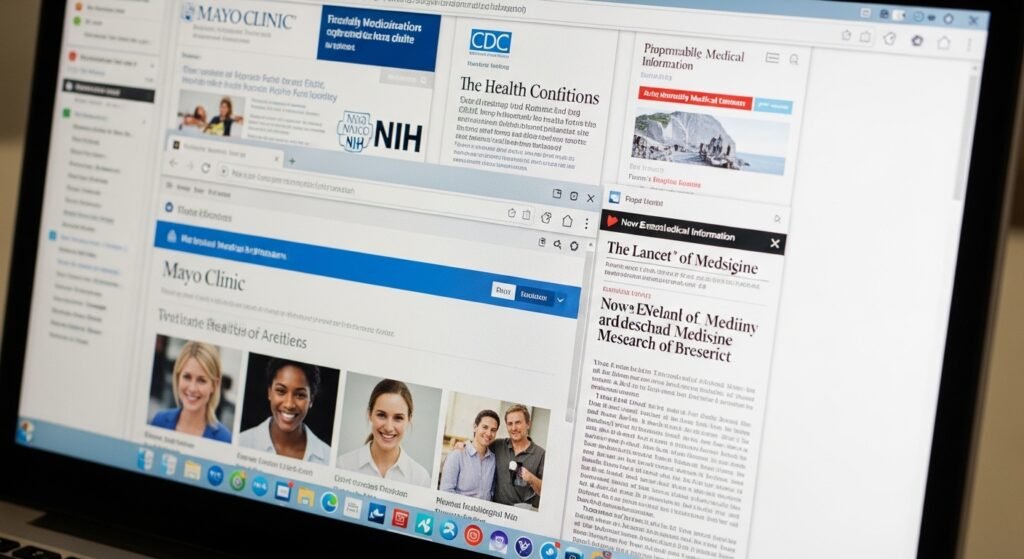
Comparison Table: Reliable vs Unreliable Medical Information Sources
| Feature | Reliable Health Sources | Unreliable Health Sources |
|---|---|---|
| Author credentials | Medical experts | Unknown or anonymous |
| References | Scientific studies cited | No references provided |
| Website domain | Government, university, research institutions | Unknown or promotional websites |
| Content tone | Balanced and evidence-based | Sensational or exaggerated claims |
| Purpose | Education and public health | Product sales or advertising |
Understanding these differences helps you quickly evaluate medical content.
Best Types of Websites for Accurate Medical Information
Government Health Websites
Government sites provide research-backed medical information reviewed by experts.
Benefits:
- evidence-based information
- regularly updated health guidelines
- public health recommendations
These sites often provide reliable information about diseases, treatments, and prevention strategies.
University Medical Centers
Major universities often publish patient education resources written by medical professionals.
These resources explain:
- diseases
- treatments
- diagnostic tests
- preventive health practices
University websites are usually highly trustworthy.
Peer-Reviewed Medical Journals
Medical journals publish scientific research evaluated by experts in the field.
Examples include:
- clinical trials
- systematic reviews
- medical research papers
While these articles may be complex, they provide the most accurate scientific information.
Warning Signs of Medical Misinformation
Understanding red flags can help you avoid misleading health information.
Miracle cure claims
Statements like:
“Cure cancer instantly”
“Lose weight overnight”
are usually misleading.
Lack of scientific references
Reliable medical information should cite research.
Articles without evidence are less trustworthy.
Emotional or sensational language
Examples include:
“Doctors don’t want you to know this secret!”
Such headlines are usually designed for clicks rather than education.
Heavy product promotion
If an article pushes supplements, miracle treatments, or expensive programs, it may prioritize profit over accuracy.
Practical Tips for Researching Health Information Online
Use specific search queries
Instead of searching:
“headache cure”
Try:
“evidence based treatments for chronic headaches”
Specific searches produce better results.
Use advanced search filters
Search engines allow you to filter results by:
- publication date
- trusted domains
- academic sources
This helps you find recent and credible information.
Cross-check symptoms carefully
Self-diagnosis using internet searches can be misleading.
Symptoms of many conditions overlap.
Use online information to educate yourself, not replace professional diagnosis.

FAQs: Finding Credible Medical Information Online
How can I tell if medical information online is reliable?
Reliable medical information typically comes from trusted organizations, includes scientific references, lists author credentials, and avoids exaggerated claims.
Are health blogs reliable sources?
Some health blogs written by medical professionals can be helpful. However, blogs without medical expertise or references should not be considered reliable sources.
Can I diagnose myself using internet information?
No. Online health information can help you understand symptoms, but only a qualified healthcare professional can provide an accurate diagnosis.
Why is medical misinformation dangerous?
Medical misinformation can lead to delayed treatment, misuse of medications, and harmful health decisions.
What are the best places to find trusted medical information?
Trusted sources include government health websites, university medical centers, hospitals, and peer-reviewed medical journals.
How to Build a Healthy Habit of Verifying Medical Information
To protect yourself from misinformation, follow these habits:
- verify sources before trusting medical claims
- compare multiple trusted websites
- look for scientific research citations
- consult healthcare professionals for diagnosis and treatment
Building these habits improves your ability to evaluate online health information.
The Future of Online Medical Information
The internet continues to evolve as a major source of health education. However, new technologies such as AI-generated content and automated health blogs are increasing the amount of medical content available online.
This makes critical evaluation skills more important than ever.
Future improvements may include:
- AI-powered medical fact checking
- better regulation of health misinformation
- improved public health education online
Until then, individuals must remain careful and informed when searching for medical advice online.
Conclusion: Protect Your Health by Choosing Reliable Medical Information
The internet can be an incredible resource for learning about health and medical topics—but only if you know how to separate trustworthy information from misinformation.
By checking sources, verifying author credentials, reviewing scientific evidence, and comparing multiple reputable websites, you can confidently find accurate health information online.
Remember that online medical research should support—not replace—professional medical advice.
Taking a few extra minutes to verify information can protect your health, prevent dangerous misinformation, and help you make smarter healthcare decisions.
Start applying these strategies today so that the next time you search for medical advice online, you can find credible, reliable information with confidence.
✨ About Artisan Anthology
At Artisan Anthology, we curate timeless digital creations designed to inspire and elevate every part of your lifestyle. Our collection includes brand books, digital templates, recipes, ebooks, wardrobe planners, fashion guides, printable wall art, and elegant home décor designs. We also specialize in wedding cards, invitations, baby shower cards, and engagement cards, each crafted to celebrate life’s most meaningful moments.
For professionals and dreamers alike, our CV templates, guided journals, and manifestation planners are created with intention to help you tell your story beautifully and authentically.
✨ Discover our full collection of digital products here → ArtisanAnthology.xyz