
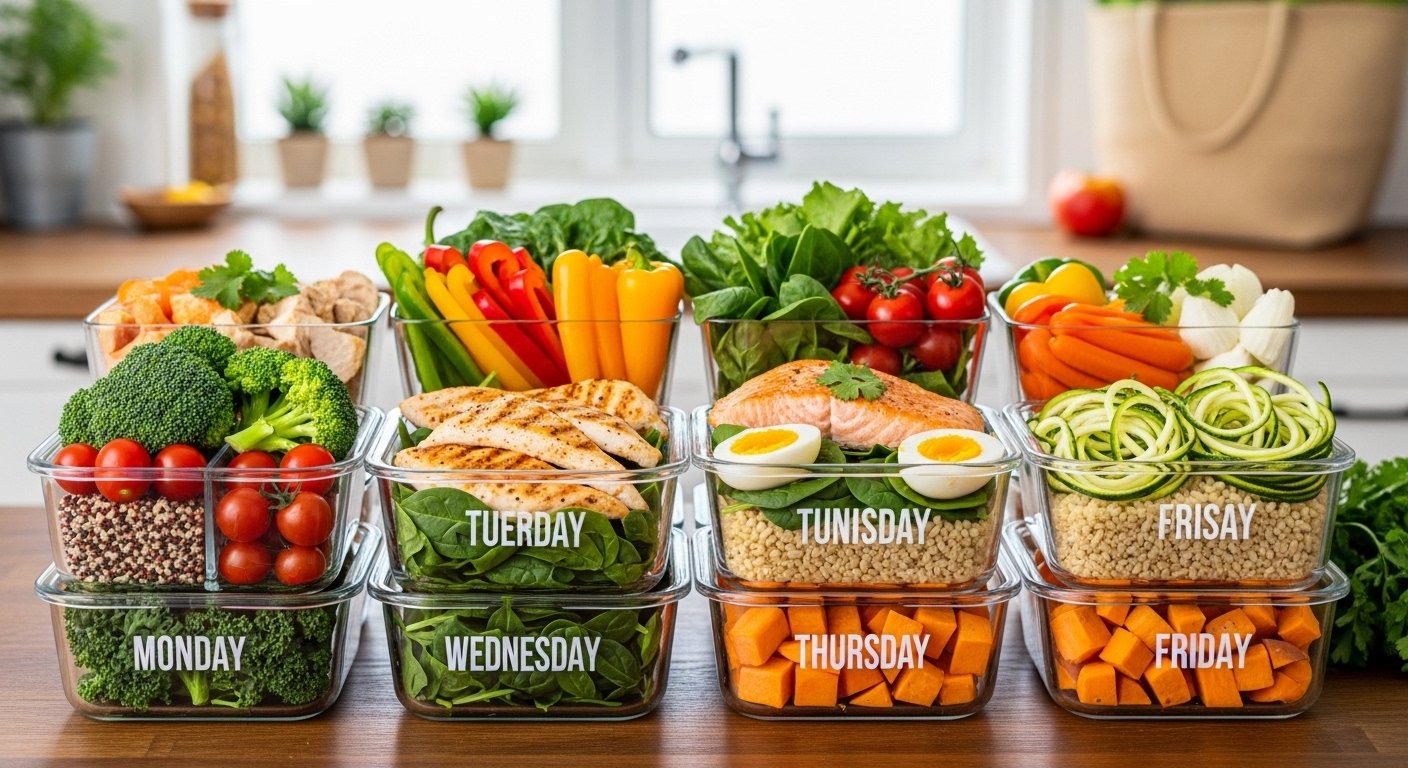
In today’s fast-paced world, many people struggle to maintain healthy eating habits while also managing busy schedules. At the same time, food waste and unsustainable eating practices are becoming major environmental concerns. This is where sustainable meal prepping offers a powerful solution.
A sustainable meal prepping guide helps you plan, cook, and store meals efficiently while reducing food waste, saving money, and supporting environmentally friendly eating habits. By preparing meals in advance using smart planning techniques, you can eat healthier, reduce your carbon footprint, and simplify your daily routine.
In this comprehensive guide, you will learn how to create a sustainable meal prep routine, choose eco-friendly ingredients, store food properly, and build long-term habits that benefit both your health and the planet.
What Is Sustainable Meal Prepping?
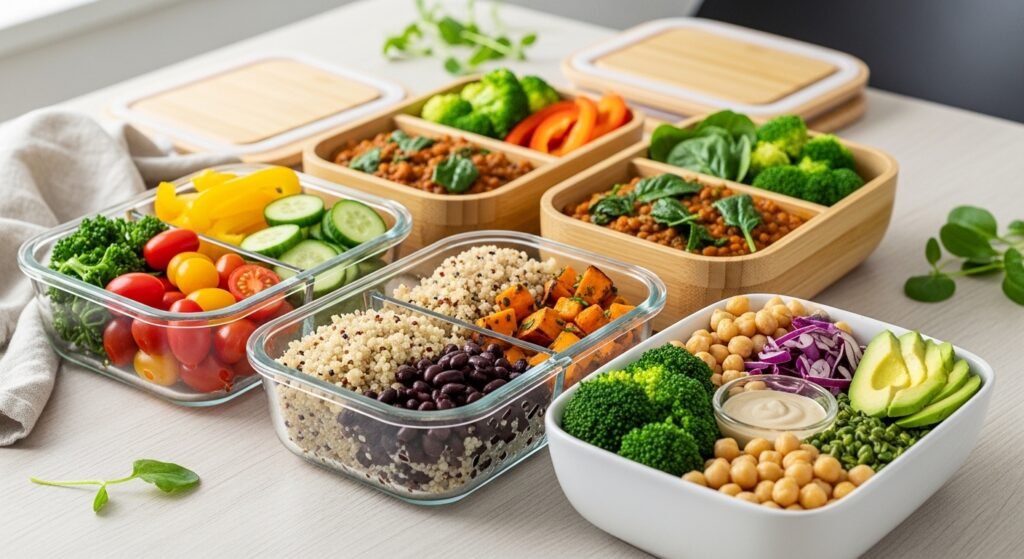
Sustainable meal prepping is the practice of planning and preparing meals in advance while minimizing environmental impact.
Unlike traditional meal prep, which focuses mainly on convenience, sustainable meal prep emphasizes:
- reducing food waste
- choosing seasonal ingredients
- minimizing packaging waste
- supporting local and ethical food sources
- cooking balanced and nutritious meals
This approach helps create a healthier lifestyle and a more sustainable food system.
Why Sustainable Meal Prepping Matters
Food waste is a global problem. Millions of tons of edible food are thrown away every year, contributing to environmental damage and wasted resources.
Benefits of sustainable meal prepping
1. Reduces food waste
Planning meals prevents overbuying and spoilage.
2. Saves money
Buying only what you need lowers grocery costs.
3. Supports healthier eating
Prepared meals reduce the temptation of unhealthy takeout.
4. Reduces environmental impact
Choosing sustainable ingredients lowers carbon emissions.
5. Saves time during busy weeks
Cooking in batches means fewer daily cooking sessions.
By adopting sustainable meal prep habits, you make a positive impact on both your lifestyle and the environment.
Step-by-Step Sustainable Meal Prepping Guide
Step 1: Plan Your Weekly Meals
Start by creating a simple weekly meal plan.
Focus on:
- balanced nutrition
- simple recipes
- reusable ingredients across meals
Example weekly plan:
- Monday: vegetable stir fry
- Tuesday: quinoa salad
- Wednesday: lentil soup
- Thursday: roasted vegetable bowl
- Friday: whole grain pasta
Planning ahead prevents last-minute unhealthy food choices.
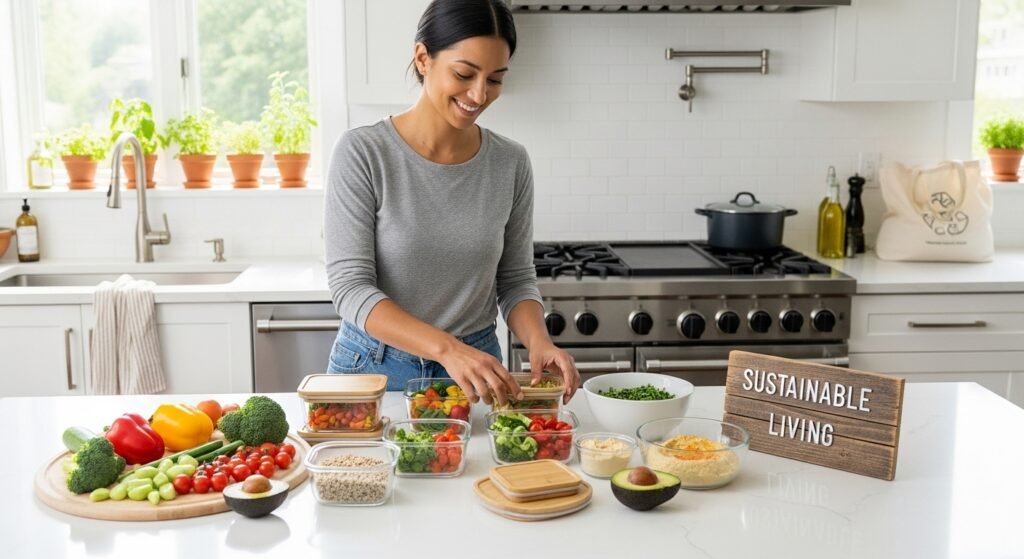
Step 2: Choose Sustainable Ingredients
The ingredients you buy have a major impact on sustainability.
Prioritize:
- seasonal fruits and vegetables
- locally sourced produce
- plant-based proteins
- whole grains
Plant-based foods generally require fewer resources than meat-based products.
Examples of sustainable ingredients:
- lentils
- beans
- chickpeas
- quinoa
- brown rice
- seasonal vegetables
These foods are nutritious, affordable, and environmentally friendly.
Step 3: Buy Only What You Need
Impulse grocery shopping often leads to wasted food.
Before going to the store:
- Check your pantry
- Make a shopping list
- Plan recipes using ingredients you already have
This strategy reduces waste and keeps your grocery budget under control.
Step 4: Cook in Efficient Batches
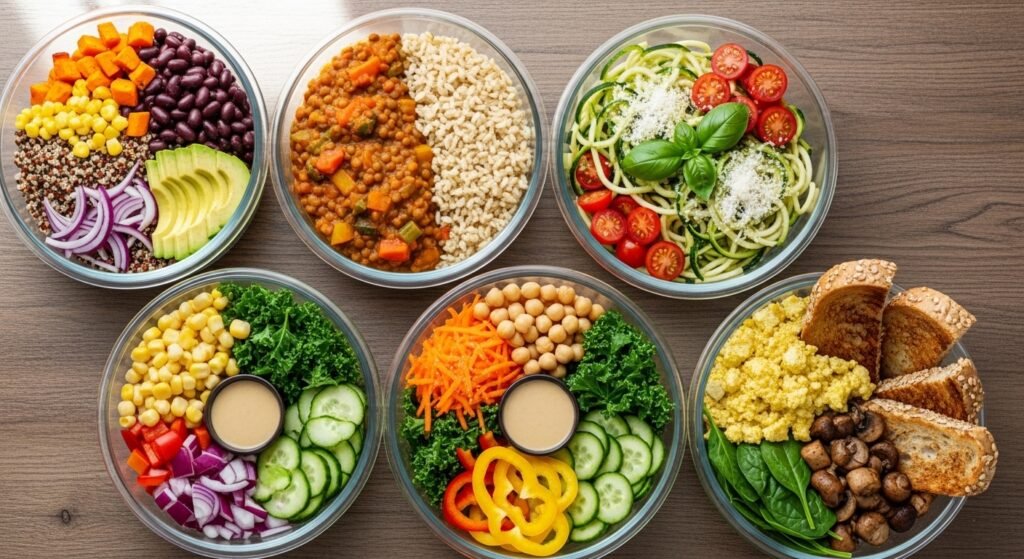
Batch cooking is one of the most effective sustainable meal prep strategies.
Cook large portions of:
- grains
- roasted vegetables
- soups
- legumes
- proteins
These ingredients can be mixed and matched throughout the week to create different meals.
For example:
- roasted vegetables + quinoa = grain bowl
- lentils + vegetables = soup
- chickpeas + greens = salad
Batch cooking saves time and energy.
Step 5: Store Food Properly
Proper storage keeps food fresh and prevents waste.
Best storage practices include:
- using airtight containers
- labeling meals with dates
- freezing extra portions
- separating sauces and fresh ingredients
Glass containers are more eco-friendly than disposable plastic packaging.
Comparison Table: Traditional Meal Prep vs Sustainable Meal Prep
| Feature | Traditional Meal Prep | Sustainable Meal Prep |
|---|---|---|
| Focus | Convenience | Environmental impact + health |
| Ingredient choice | Any available ingredients | Seasonal and local foods |
| Food waste | Often overlooked | Minimized through planning |
| Packaging | Often plastic containers | Reusable or glass containers |
| Environmental impact | Moderate | Lower carbon footprint |
Sustainable meal prep focuses on long-term health and environmental responsibility.
Best Foods for Sustainable Meal Prepping
Certain foods work especially well for eco-friendly meal preparation.
Whole grains
- brown rice
- quinoa
- oats
- farro
Whole grains are nutrient-dense and store well.
Plant-based proteins
- lentils
- chickpeas
- tofu
- beans
Plant proteins are sustainable and affordable.
Seasonal vegetables
Seasonal produce is fresher, cheaper, and more environmentally friendly.
Examples:
- sweet potatoes
- broccoli
- carrots
- zucchini
- spinach
These foods can be used in multiple recipes.
Practical Sustainable Meal Prep Tips
Use leftovers creatively
Leftover ingredients can be repurposed into new meals.
Examples:
- roasted vegetables → wraps
- cooked rice → fried rice
- beans → burrito bowls
Creative reuse prevents waste.
Use reusable containers
Switching from disposable plastic to glass or stainless steel containers reduces plastic waste.
Benefits:
- longer food freshness
- safer food storage
- environmentally friendly
Prep ingredients instead of full meals
Some people prefer prepping ingredients instead of complete meals.
Examples:
- chopped vegetables
- cooked grains
- marinated proteins
This method allows flexible meal combinations throughout the week.
Freeze extra portions
Freezing extra meals prevents spoilage and ensures quick meals for busy days.
Foods that freeze well include:
beans
soups
stews
grains
Frequently Asked Questions
What is sustainable meal prepping?
Sustainable meal prepping is the process of planning and preparing meals in advance while minimizing food waste, using eco-friendly ingredients, and reducing environmental impact.
How does meal prepping reduce food waste?
Meal prepping reduces food waste by helping you buy only the ingredients you need and ensuring that food is cooked and eaten before it spoils.
Are plant-based meals better for sustainable meal prep?
Yes. Plant-based meals typically require fewer natural resources than meat-based foods and have a lower environmental impact.
How long do meal prepped meals last?
Most prepared meals last 3–5 days in the refrigerator when stored in airtight containers. Some meals can last longer if frozen.
Is sustainable meal prepping expensive?
No. Sustainable meal prepping often saves money because it reduces food waste, encourages bulk cooking, and focuses on affordable whole ingredients.
Sustainable Meal Prep Example Weekly Menu
Here is a simple sustainable meal prep plan.
Breakfast
overnight oats with fruit
Lunch
quinoa salad with roasted vegetables
Dinner
lentil soup with whole grain bread
Snack
hummus with carrots and cucumbers
This balanced menu is nutritious, affordable, and environmentally friendly.
Common Sustainable Meal Prep Mistakes
Over-preparing food
Preparing too many meals can lead to spoilage.
Start with 3–4 days of meals at a time.
Ignoring seasonal produce
Seasonal foods are fresher and more sustainable.
Not rotating ingredients
Use ingredients across multiple meals to avoid waste.
The Future of Sustainable Eating
Sustainable eating habits are becoming increasingly important as people become more aware of environmental challenges.
Emerging trends include:
- zero-waste cooking
- plant-based diets
- local food sourcing
- eco-friendly packaging
- sustainable grocery delivery services
Meal prepping will continue to play a key role in helping individuals adopt sustainable lifestyles.
Conclusion: Start Your Sustainable Meal Prep Routine Today
Sustainable meal prepping is one of the easiest ways to improve your health, reduce food waste, and support environmentally responsible eating.
By planning meals ahead of time, choosing seasonal ingredients, cooking in batches, and using reusable storage containers, you can create a routine that benefits both your lifestyle and the planet.
Small changes in your kitchen can create a big environmental impact. Start with simple meal prep strategies, experiment with plant-based recipes, and build a weekly routine that fits your schedule.
If you want to save time, reduce food waste, and eat healthier, start your sustainable meal prepping journey today.
✨ About Artisan Anthology
At Artisan Anthology, we curate timeless digital creations designed to inspire and elevate every part of your lifestyle. Our collection includes brand books, digital templates, recipes, ebooks, wardrobe planners, fashion guides, printable wall art, and elegant home décor designs. We also specialize in wedding cards, invitations, baby shower cards, and engagement cards, each crafted to celebrate life’s most meaningful moments.
For professionals and dreamers alike, our CV templates, guided journals, and manifestation planners are created with intention to help you tell your story beautifully and authentically.
✨ Discover our full collection of digital products here → ArtisanAnthology.xyz