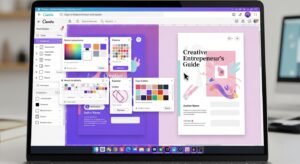

A daily planner isn’t just a place to write tasks—it’s a decision-making system, a focus tool, and a mental decluttering space. Yet many people abandon planners because they’re either too cluttered, too minimal, or missing the sections that truly matter.
So, what should be in a daily planner?
This guide breaks it all down—essential sections, optional upgrades, digital vs paper differences, productivity psychology, and how to design a daily planner that’s both aesthetic and functional.
Whether you’re a student, entrepreneur, busy professional, or creative, this article will help you build a planner you’ll actually use—every single day.
Why the Right Daily Planner Layout Matters
A well-designed daily planner helps you:
- Reduce mental overload
- Stay consistent with goals
- Prioritize what matters (not just what’s urgent)
- Track habits, energy, and progress
- Build momentum through small wins
Research-backed productivity methods like time blocking, task batching, and written goal tracking all work better when your planner layout supports them.
The problem isn’t planning—it’s poor planner structure.
Core Sections Every Daily Planner Should Have
These are non-negotiable. If your daily planner doesn’t include these, it’s incomplete.
1. Date + Day Header
This may sound obvious, but it’s essential for:
- Temporal awareness
- Daily accountability
- Habit tracking continuity
Pro tip: Include the day of the week—studies show it improves routine consistency.
Optional add-ons:
- Week number
- Moon phase (popular in wellness planners)
- Weather icon (great for digital planners)
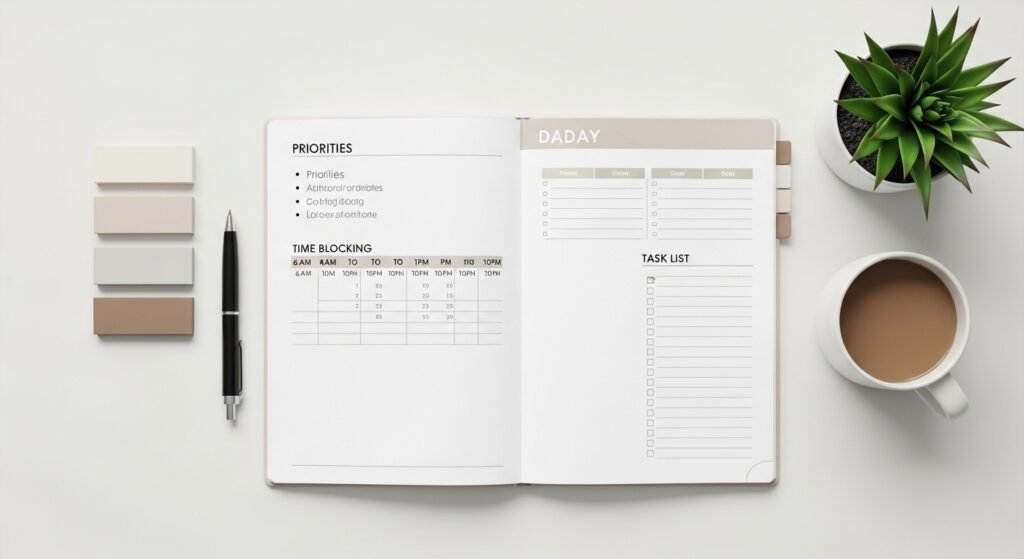
2. Top Priorities (Most Important Tasks)
This is the most critical section of a daily planner.
Instead of listing 20 tasks, focus on:
- 1–3 Most Important Tasks (MITs)
Why it works:
- Prevents overwhelm
- Encourages deep work
- Improves task completion rates
Best practice: Label this section clearly:
- “Top 3 Priorities”
- “Must-Do Today”
- “Non-Negotiables”
3. Task List (Structured, Not Endless)
Your task list should be intentional, not a brain dump that never ends.
Effective daily planners include:
- Checkboxes
- Space-limited lists (to prevent overload)
- Optional categories (Work / Personal / Admin).
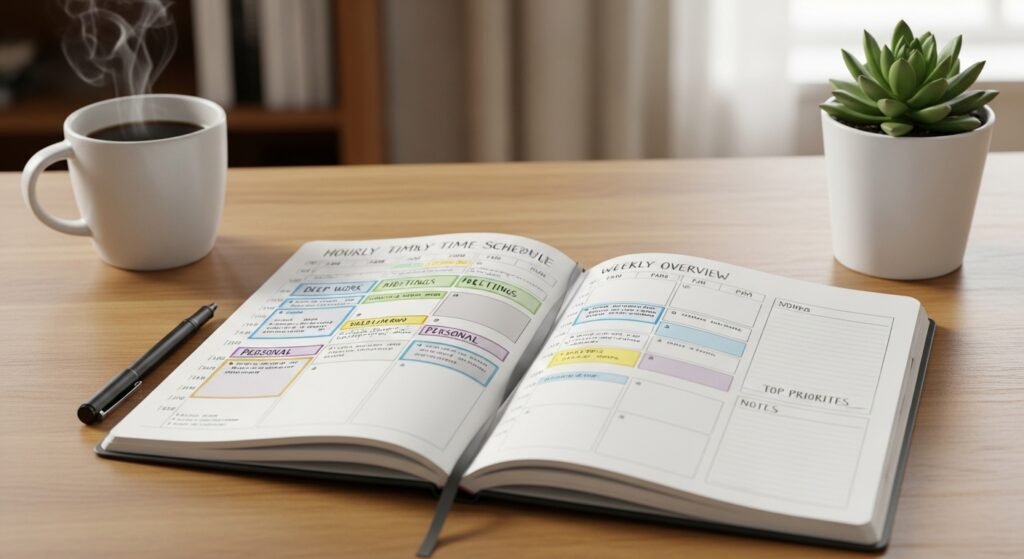
4. Time Blocking or Schedule Section
A powerful daily planner doesn’t just list tasks—it assigns them time.
This section can include:
- Hourly timeline (6 AM–10 PM)
- Flexible time blocks (Morning / Afternoon / Evening)
- Pomodoro blocks
Why this matters:
Time blocking reduces procrastination and decision fatigue.
High-Impact Optional Sections (Add Based on Your Lifestyle)
These sections separate basic planners from high-performance planners.
5. Notes or Brain Dump Area
Your brain needs an exit ramp.
A notes section helps you:
- Capture ideas
- Park distractions
- Reduce cognitive load
This is especially important for:
- ADHD planners
- Creative professionals
- Entrepreneurs
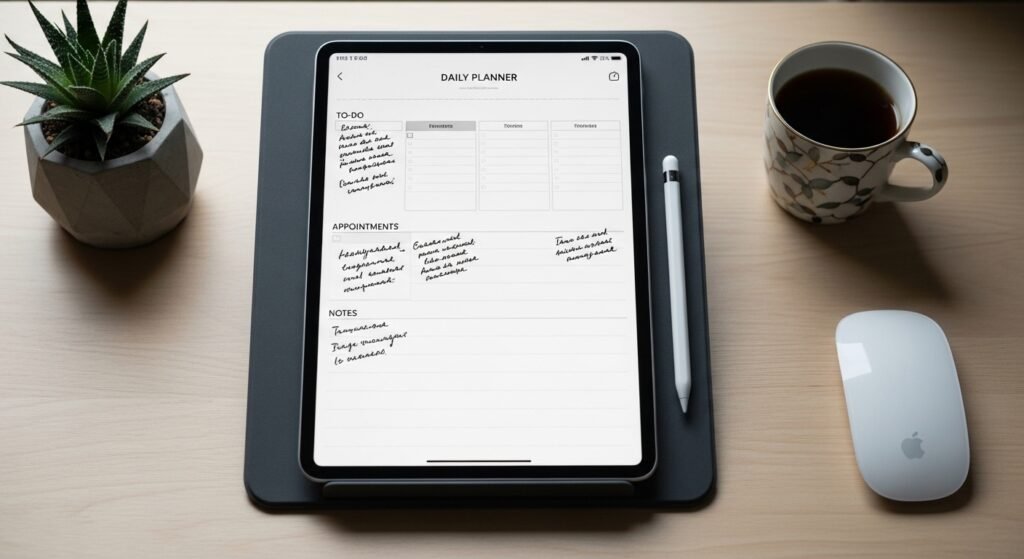
Digital daily planner with Apple Pencil handwriting
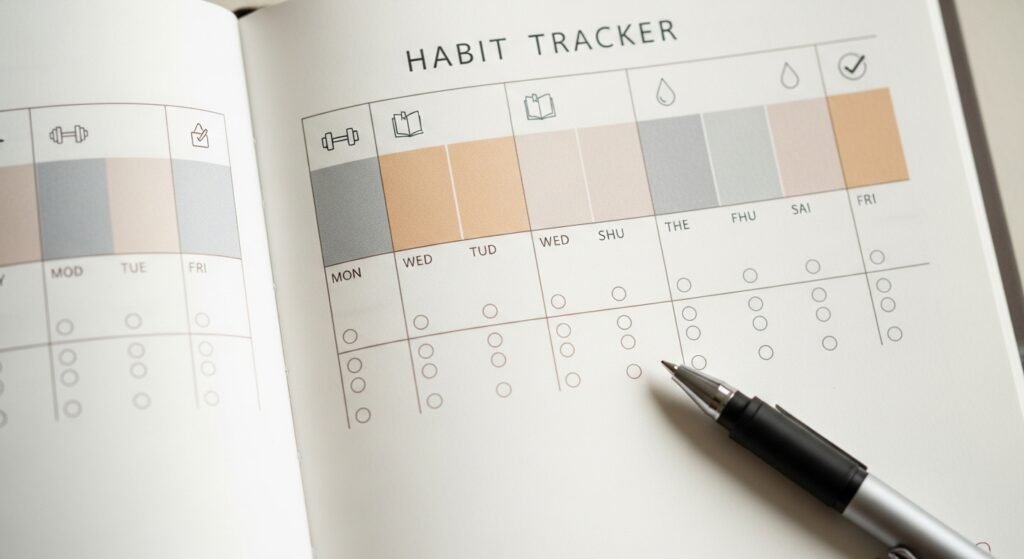
6. Habit Tracker (Micro, Not Overwhelming)
Daily planners work best with 1–5 habits max.
Examples:
- Drink water
- Exercise
- Read
- Journal
- No social media before noon
Design tip: Use icons, dots, or progress bars instead of long lists.
7. Mood, Energy, or Wellness Tracker
Tracking how you feel is just as important as tracking what you do.
Popular daily planner wellness elements:
- Mood scale (1–5)
- Energy level
- Sleep quality
- Stress level
Over time, this reveals patterns between productivity and wellbeing.
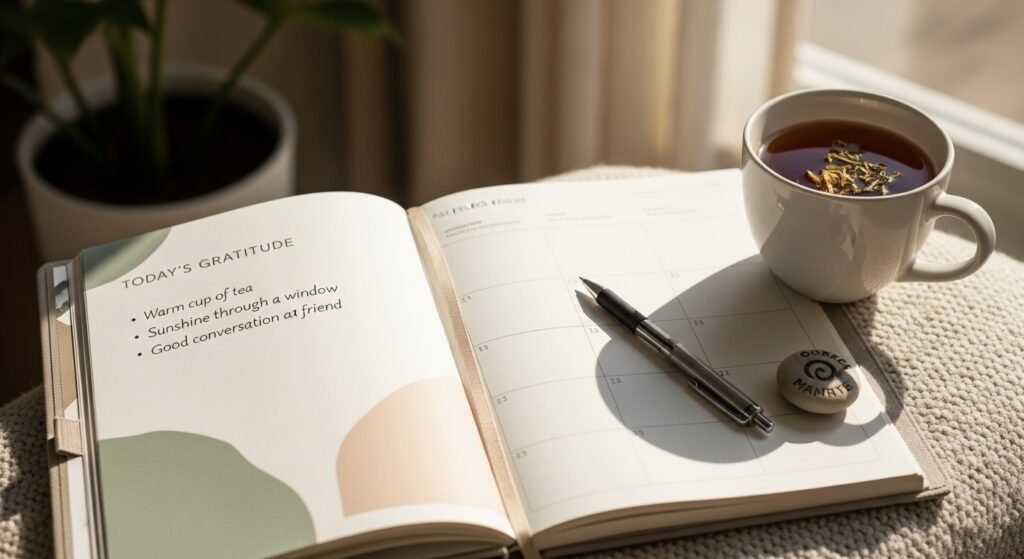
8. Gratitude or Reflection Section
Even one line makes a difference.
Benefits include:
- Increased motivation
- Better consistency
- Improved mental clarity
Simple prompts:
- “One win today”
- “What went well?”
- “One thing I’m grateful for”
Digital vs Paper Daily Planners: What Should Be Different?
| Feature | Paper Planner | Digital Planner |
|---|---|---|
| Portability | Physical only | Multi-device |
| Customization | Limited | Unlimited |
| Habit tracking | Manual | Automated |
| Search function | ❌ | ✅ |
| Aesthetic flexibility | Medium | High |
| Apple Pencil support | ❌ | ✅ |
Digital daily planners often include:
- Hyperlinks
- Duplicatable pages
- Stickers & icons
- Cloud sync
- Apple Pencil handwriting
What NOT to Put in a Daily Planner
More pages ≠ better planning.
Avoid:
- Overcrowded layouts
- Too many habits
- Unrealistic time schedules
- Pages that cause guilt when skipped
A daily planner should feel supportive, not stressful.
Daily Planner Layout Examples by Use Case
For Busy Professionals
- Time blocking
- Top 3 priorities
- Notes
- End-of-day reflection
For Students
- Assignment tracker
- Study blocks
- Habit tracker
- Notes section
For Entrepreneurs
- Revenue-focused priorities
- Brain dump
- Content planning
- Energy tracking
For Wellness & Manifestation
- Intentions
- Gratitude
- Affirmations
- Mood tracking
FAQs: What Should Be in a Daily Planner?
What are the most important sections in a daily planner?
The most important sections are top priorities, task list, schedule or time blocking, and notes.
How many tasks should I write per day?
Ideally 5–10 tasks, with 1–3 top priorities to avoid overwhelm.
Is a daily planner better than a weekly planner?
A daily planner offers more focus and detail, while weekly planners are better for overview. Many people use both.
Should a daily planner include habits?
Yes—but keep it minimal. Too many habits reduce consistency.
Are digital daily planners better than paper?
Digital planners offer customization, reuse, and syncing, while paper planners feel more tactile. The best choice depends on your lifestyle.
How to Build a Daily Planner You’ll Actually Use
Ask yourself:
- Do I want structure or flexibility?
- Am I planning time or just tasks?
- Do I need motivation or accountability?
- Paper or digital?
Your planner should match your brain, not Pinterest trends.
Final Thoughts: The Perfect Daily Planner Is Intentional
The best daily planner isn’t the prettiest—it’s the one you use consistently.
When your planner includes:
- Clear priorities
- Realistic scheduling
- Space to think
- Room for reflection
…it becomes more than a tool—it becomes a system for progress
✨ About Artisan Anthology
At Artisan Anthology, we curate timeless digital creations designed to inspire and elevate every part of your lifestyle. Our collection includes brand books, digital templates, recipes, ebooks, wardrobe planners, fashion guides, printable wall art, and elegant home décor designs. We also specialize in wedding cards, invitations, baby shower cards, and engagement cards, each crafted to celebrate life’s most meaningful moments.
For professionals and dreamers alike, our CV templates, guided journals, and manifestation planners are created with intention to help you tell your story beautifully and authentically.
✨ Discover our full collection of digital products here → ArtisanAnthology.xyz