
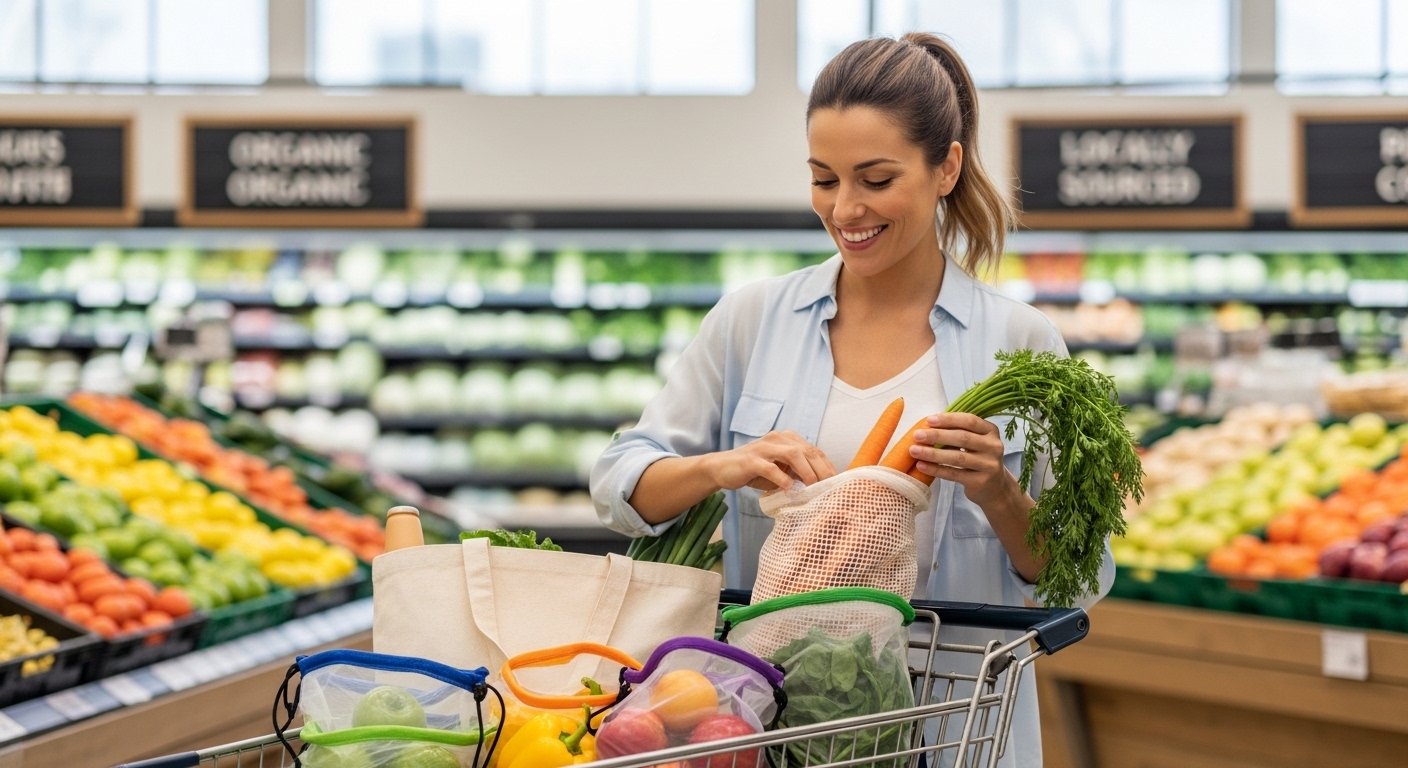
Modern grocery shopping often creates unnecessary waste. From plastic packaging to spoiled food thrown away at the end of the week, the traditional grocery routine contributes heavily to environmental pollution. In fact, food packaging and food waste together make up a significant portion of household trash.
A zero-waste grocery shopping guide helps you rethink how you buy food so you can reduce packaging, minimize waste, and save money at the same time. Zero-waste shopping focuses on buying only what you need, choosing sustainable packaging, supporting local food sources, and reducing single-use plastics.
This complete guide explains how to start zero-waste grocery shopping, what tools you need, how to plan your shopping trips, and practical strategies to reduce waste while still enjoying convenient and nutritious meals.
What Is Zero-Waste Grocery Shopping?
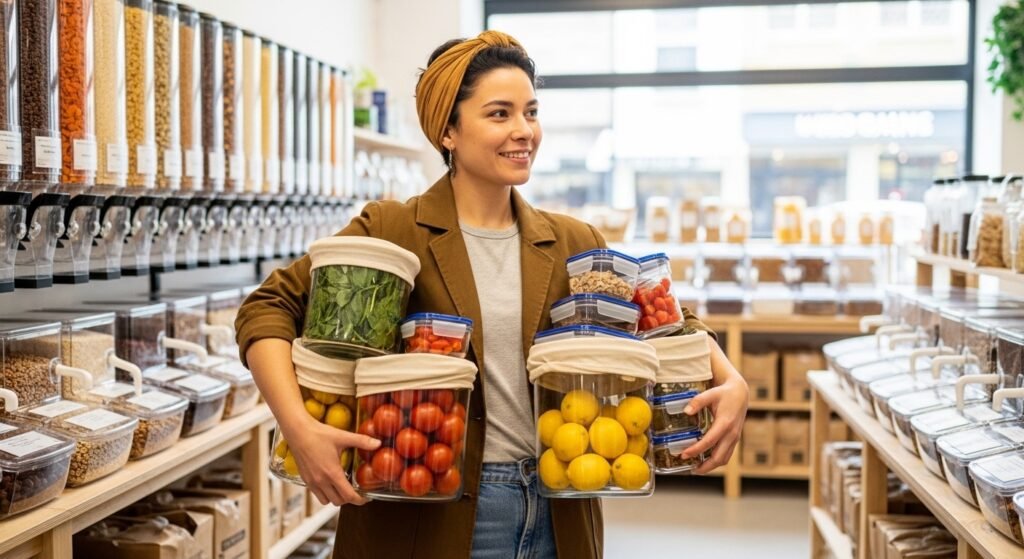
Zero-waste grocery shopping is the practice of buying food in a way that minimizes or eliminates waste, especially plastic packaging.
The goal is not perfection but reducing waste as much as possible.
Zero-waste grocery shopping typically involves:
- buying unpackaged or bulk foods
- bringing reusable containers and bags
- choosing local and seasonal produce
- avoiding single-use plastics
- planning meals to prevent food waste
By adopting these habits, you can significantly reduce the amount of trash produced by your household.
Why Zero-Waste Grocery Shopping Matters
The environmental impact of food packaging and food waste is enormous.
Major benefits of zero-waste grocery shopping
1. Reduces plastic pollution
Single-use plastic packaging often ends up in landfills or oceans.
2. Minimizes food waste
Careful meal planning prevents unused food from spoiling.
3. Saves money
Buying only what you need reduces unnecessary spending.
4. Supports sustainable food systems
Shopping locally supports farmers and reduces transportation emissions.
5. Encourages healthier eating
Fresh, unpackaged foods are often less processed and more nutritious.
Small changes in grocery habits can create long-term environmental impact.
Step-by-Step Zero-Waste Grocery Shopping Guide
Step 1: Plan Your Meals Before Shopping
Meal planning is the foundation of zero-waste grocery shopping.
Start by creating a weekly meal plan.
Example:
Breakfast
overnight oats and fruit
Lunch
grain bowl with vegetables
Dinner
lentil soup with roasted vegetables
Planning meals helps you buy only what you need, preventing food spoilage.
Step 2: Check Your Kitchen First
Before shopping, review your pantry, refrigerator, and freezer.
Look for:
- leftover ingredients
- foods nearing expiration
- items that can be used in upcoming meals
Using what you already have prevents unnecessary purchases.
Step 3: Bring Reusable Shopping Tools
Zero-waste grocery shopping requires a few simple reusable items.
Essential tools include:
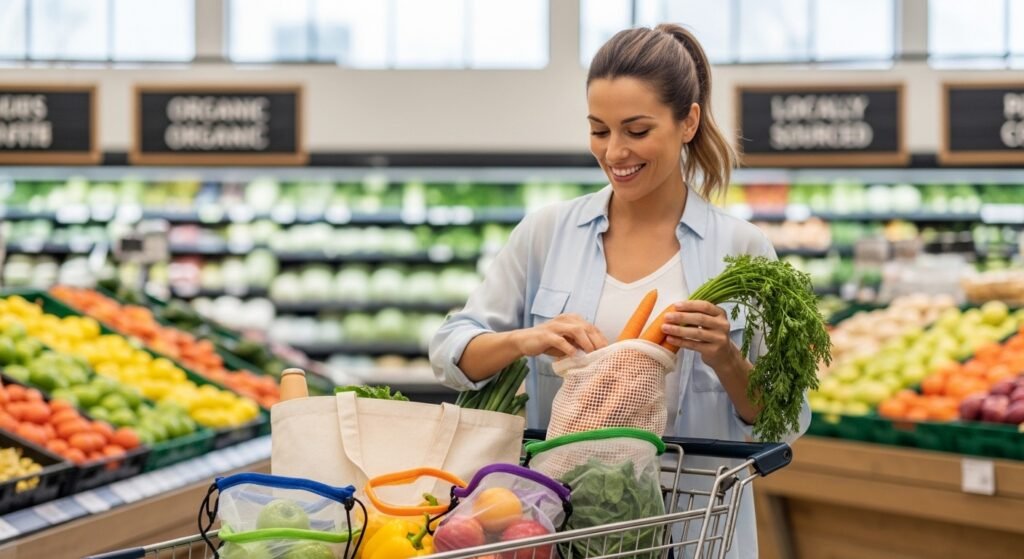
- cloth grocery bags
- mesh produce bags
- reusable containers for bulk foods
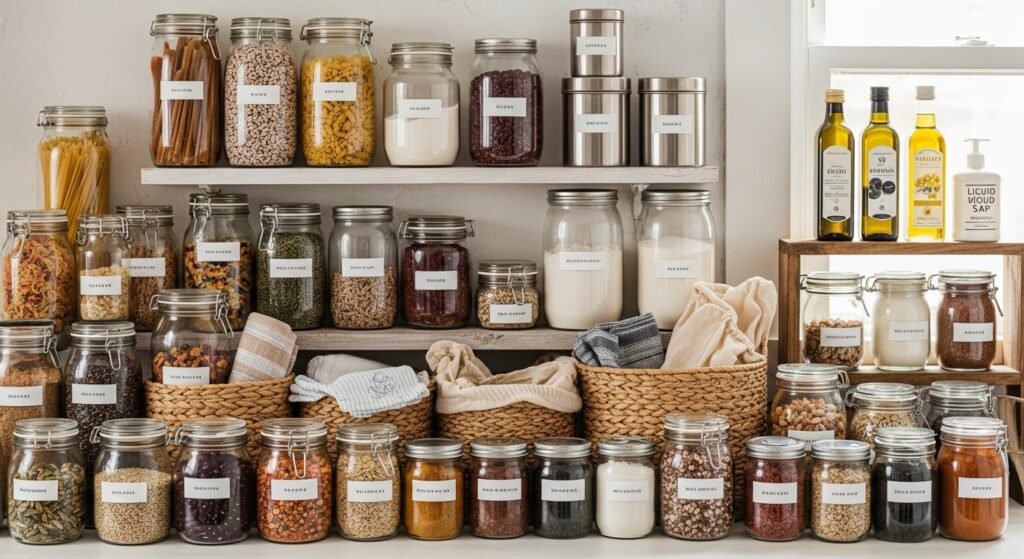
- glass jars for dry ingredients
Keeping these items near your door helps you remember them when leaving for the store.
Step 4: Shop at Bulk Food Sections
Bulk food stores allow customers to purchase food without unnecessary packaging.
Popular bulk foods include:
- rice
- oats
- beans
- nuts
- spices
- dried fruits
Bring reusable containers to fill exactly the amount you need.
This reduces both food waste and packaging waste.
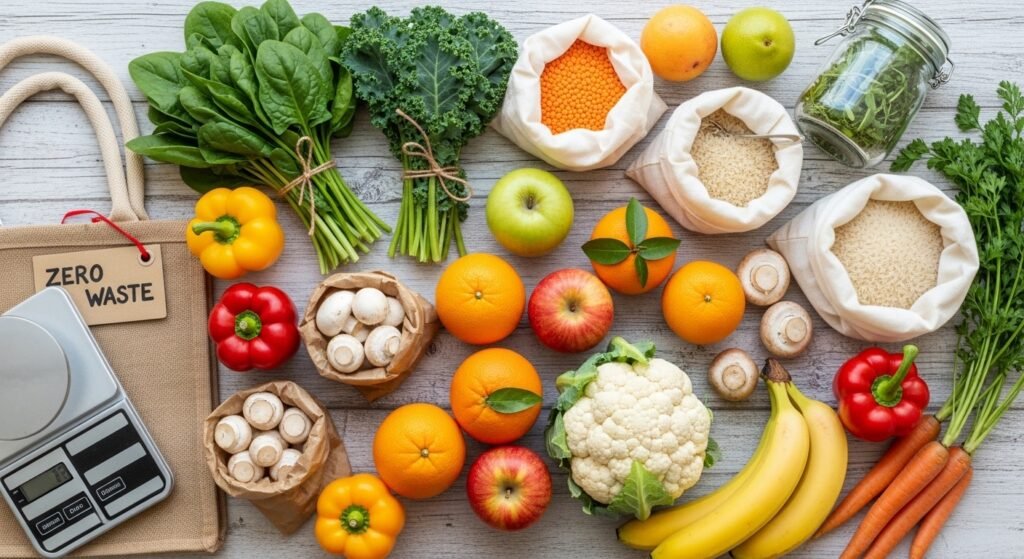
Step 5: Choose Fresh, Unpackaged Produce
Many fruits and vegetables are naturally packaging-free.
Choose:
- loose fruits and vegetables
- seasonal produce
- locally grown foods
Avoid pre-cut or heavily packaged produce whenever possible.
Step 6: Support Local Markets
Farmers markets and local produce stands often offer fresh food with minimal packaging.
Benefits include:
- fresher produce
- reduced transportation emissions
- direct support for farmers
Many vendors allow customers to bring reusable bags and containers.
Comparison Table: Traditional Grocery Shopping vs Zero-Waste Grocery Shopping
| Feature | Traditional Shopping | Zero-Waste Shopping |
|---|---|---|
| Packaging | Heavy plastic packaging | Minimal or reusable packaging |
| Food waste | Often high | Reduced through planning |
| Environmental impact | Higher | Lower |
| Shopping tools | Disposable bags | Reusable bags and containers |
| Food quality | Often processed | Fresh and whole foods |
This comparison shows how zero-waste grocery shopping supports a more sustainable lifestyle.
Best Foods for Zero-Waste Grocery Shopping
Certain foods are ideal for waste-free grocery shopping.
Fresh fruits and vegetables
Examples include:
- apples
- bananas
- carrots
- potatoes
- leafy greens
These foods usually require little or no packaging.
Bulk dry foods
Buying dry foods in bulk reduces packaging waste.
Examples include:
- lentils
- chickpeas
- quinoa
- pasta
- nuts
Bulk purchasing allows you to control portion sizes.
Whole foods
Whole foods tend to come with less packaging and are healthier.
Examples include:
- whole grains
- beans
- legumes
- fresh produce
These foods are perfect for sustainable meal planning.
Practical Zero-Waste Grocery Shopping Tips
Buy in smaller quantities
Large quantities often lead to spoiled food.
Buy what you will realistically use.
Avoid individually wrapped products
Products wrapped individually create unnecessary waste.
Instead, choose bulk or package-free alternatives.
Store food properly
Proper storage extends food freshness.
Examples:
- store leafy greens in airtight containers
- freeze extra bread or cooked meals
- keep herbs in water to extend shelf life
These habits prevent food waste.
Learn basic food preservation
Simple preservation techniques can help reduce waste.
Examples include:
making soups from leftover ingredients
freezing fruits and vegetables
pickling vegetables
Frequently Asked Questions
What is zero-waste grocery shopping?
Zero-waste grocery shopping is a sustainable way of buying food that minimizes packaging waste and reduces food waste through careful planning and reusable containers.
How can I start zero-waste grocery shopping?
Start by planning meals, bringing reusable shopping bags and containers, buying unpackaged foods, and choosing fresh produce instead of packaged items.
Is zero-waste grocery shopping expensive?
Not necessarily. Buying in bulk, reducing food waste, and avoiding unnecessary packaged products can actually save money.
Where can I buy zero-waste groceries?
You can shop at bulk food stores, farmers markets, local produce markets, and grocery stores with bulk sections.
How do I reduce plastic packaging when grocery shopping?
Use reusable bags, buy loose produce, choose bulk foods, and avoid individually packaged products.
Common Zero-Waste Grocery Shopping Mistakes
Buying too much fresh produce
Fresh produce spoils quickly if over-purchased.
Plan realistic portions.
Forgetting reusable bags
Keep reusable bags in your car or near the door.
Ignoring bulk food options
Bulk sections reduce packaging waste and allow portion control.
Long-Term Benefits of Zero-Waste Grocery Shopping
Adopting zero-waste grocery habits can lead to:
- less household trash
- reduced environmental impact
- healthier food choices
- lower grocery expenses
- greater awareness of food consumption
These benefits make zero-waste grocery shopping both practical and sustainable.
Conclusion: Start Your Zero-Waste Grocery Shopping Journey Today
Zero-waste grocery shopping is one of the most powerful ways individuals can reduce their environmental impact. By planning meals, buying unpackaged foods, using reusable containers, and supporting local producers, you can dramatically reduce waste from everyday grocery shopping.
The transition doesn’t need to happen overnight. Start with small changes—bring reusable bags, choose loose produce, and avoid unnecessary packaging.
Over time, these habits will transform your shopping routine into a sustainable system that benefits both your household and the planet.
Begin your zero-waste grocery shopping journey today and take a meaningful step toward a cleaner, more sustainable future.
✨ About Artisan Anthology
At Artisan Anthology, we curate timeless digital creations designed to inspire and elevate every part of your lifestyle. Our collection includes brand books, digital templates, recipes, ebooks, wardrobe planners, fashion guides, printable wall art, and elegant home décor designs. We also specialize in wedding cards, invitations, baby shower cards, and engagement cards, each crafted to celebrate life’s most meaningful moments.
For professionals and dreamers alike, our CV templates, guided journals, and manifestation planners are created with intention to help you tell your story beautifully and authentically.
✨ Discover our full collection of digital products here → ArtisanAnthology.xyz