
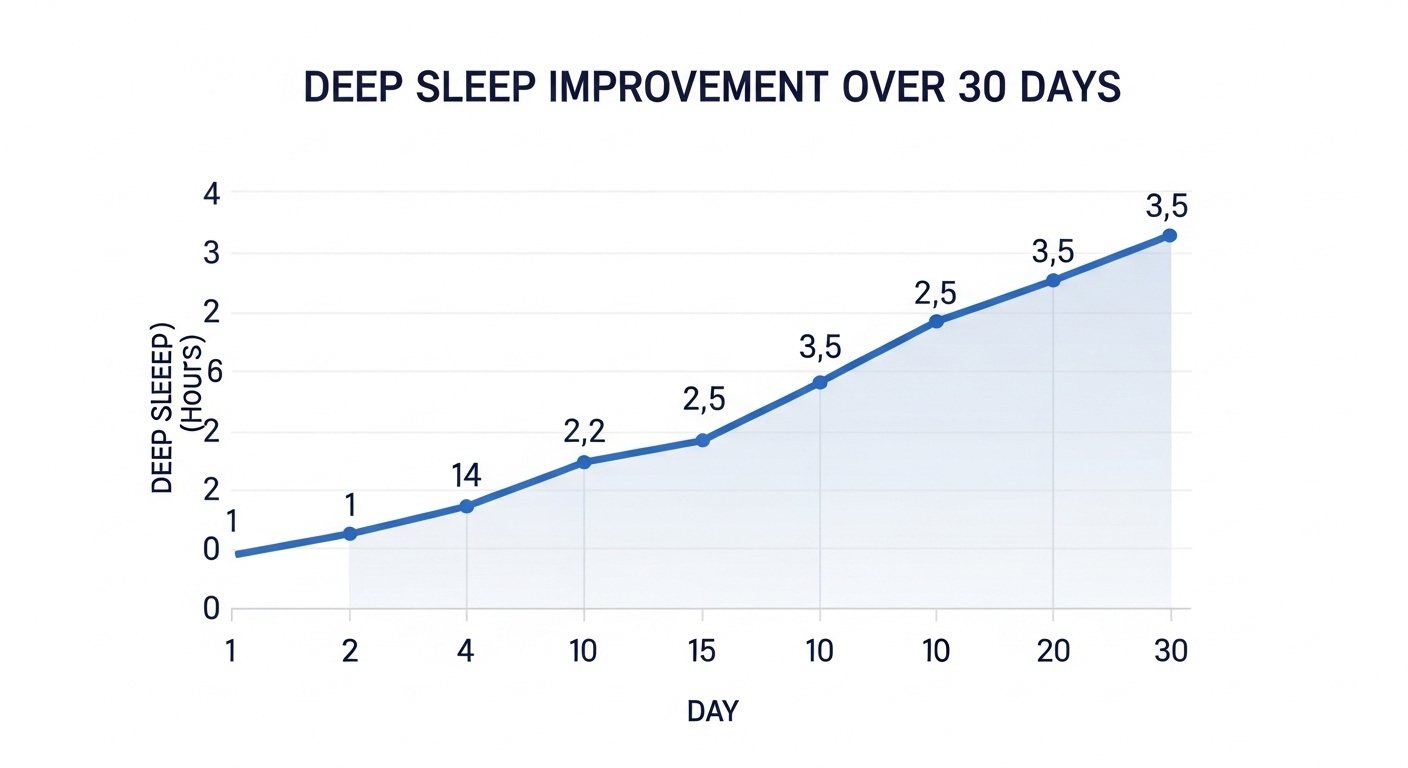
Struggling with restless nights, inconsistent sleep cycles, or waking up tired? You’re not alone. Millions are now searching for how to use wearable tech to improve sleep as smart devices become more advanced and affordable in 2026.
Modern wearable sleep trackers do far more than count steps. They analyze:
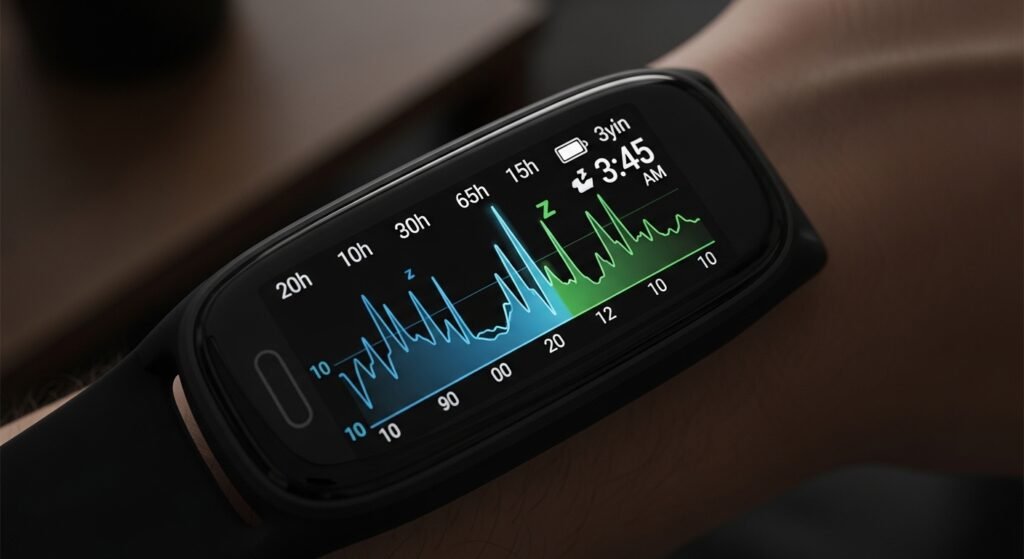
- Sleep stages (light, deep, REM)
- Heart rate variability (HRV)
- Blood oxygen levels
- Breathing rate
- Movement and disturbances
- Circadian rhythm patterns
But here’s the key: data alone doesn’t improve sleep — interpretation and action do.
This elite, deeply optimized guide will show you exactly how to use wearable technology to improve sleep quality naturally, backed by sleep science and behavioral research.
Why Sleep Tracking Works (When Used Correctly)
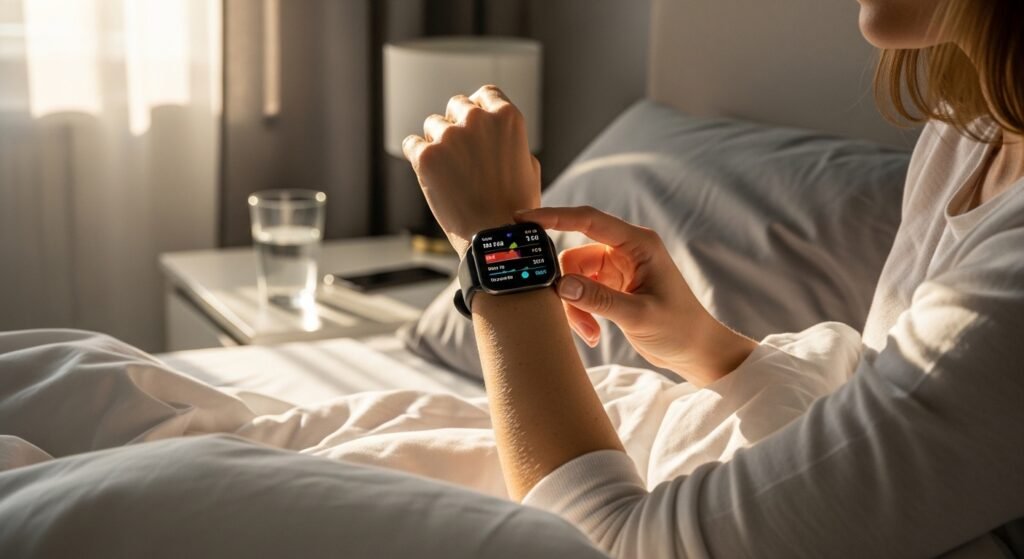
Sleep research consistently shows that awareness drives behavior change. When you can measure something, you can improve it.
Wearable sleep technology helps you:
✔ Identify poor sleep patterns
✔ Detect late-night disruptions
✔ Understand recovery levels
✔ Optimize bedtime routines
✔ Align sleep with circadian rhythm
What Wearable Sleep Tech Actually Measures
Understanding metrics is crucial before making changes.
1. Sleep Stages
Most wearables track:
- Light sleep
- Deep sleep
- REM sleep
Deep sleep supports physical recovery.
REM supports cognitive processing.
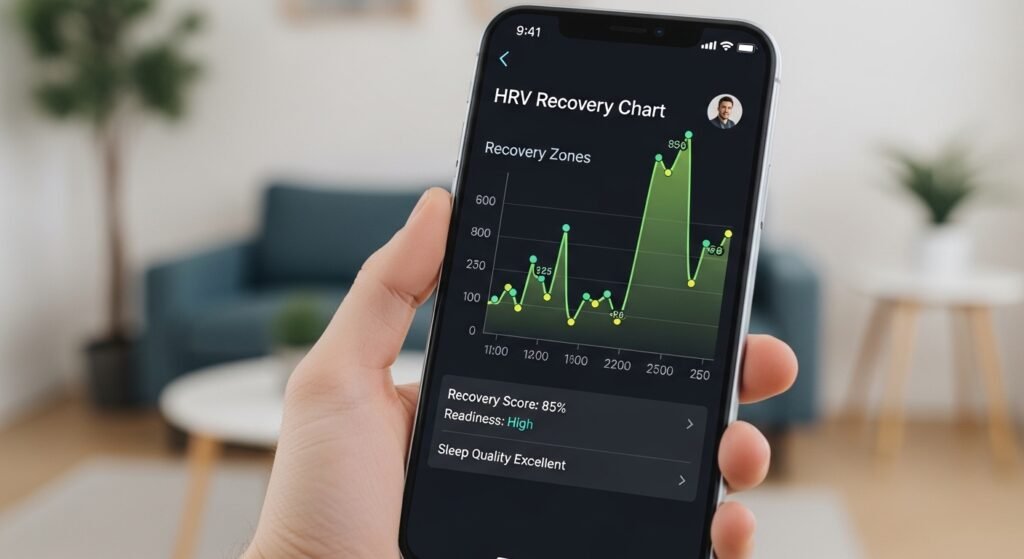
2. Heart Rate Variability (HRV)
Higher HRV often indicates better recovery and lower stress.
Low HRV may suggest stress or overtraining.
3. Resting Heart Rate
Elevated nighttime heart rate can signal:
- Stress
- Late meals
- Alcohol consumption
- Illness
4. Blood Oxygen Saturation (SpO2)
Lower oxygen levels during sleep may indicate breathing disturbances.
5. Sleep Efficiency
This measures time asleep vs time in bed.
Goal: 85%+ sleep efficiency.
Step-by-Step: How to Use Wearable Tech to Improve Sleep
Step 1: Establish a 7-Day Baseline
Do not change anything initially.
Track:
✔ Bedtime
✔ Wake time
✔ Sleep duration
✔ Sleep quality score
✔ HRV
✔ Resting heart rate
This gives you personalized data.
Step 2: Identify Your Weakest Metric
Common issues:
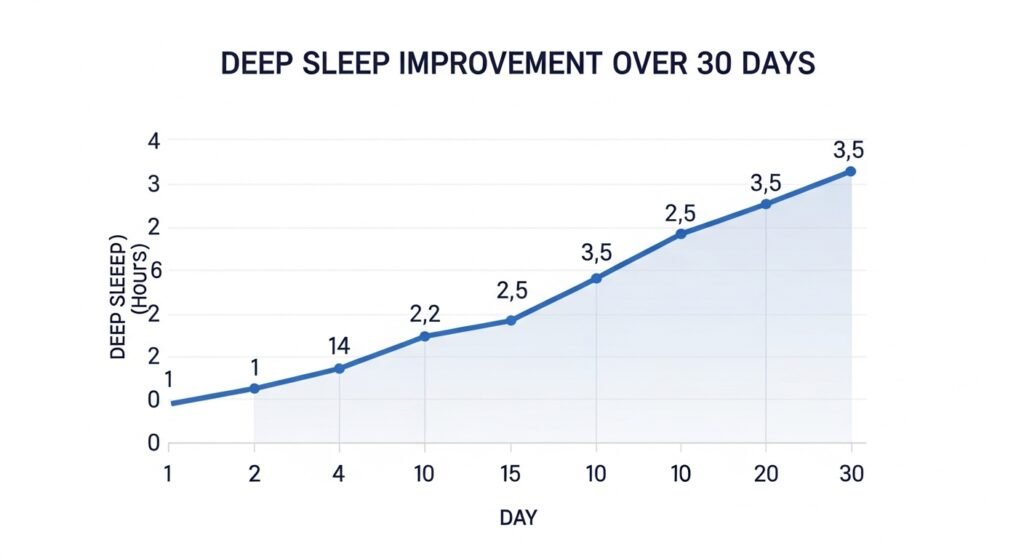
- Low deep sleep
- High nighttime heart rate
- Poor sleep efficiency
- Frequent wake-ups
Focus on one improvement area at a time.
Step 3: Optimize Sleep Timing (Circadian Alignment)
Wearables reveal ideal sleep windows.
Look for:
✔ Consistent bedtime
✔ Natural wake patterns
✔ Best-performing nights
Shift bedtime gradually (15 minutes at a time).
Step 4: Improve Pre-Sleep Routine
Based on data trends:
If heart rate spikes at night:
- Avoid late meals
- Limit alcohol
- Reduce evening stress
If deep sleep is low:
- Add evening wind-down ritual
- Reduce screen time
- Try magnesium (if appropriate)
Step 5: Use HRV for Stress Management
Low HRV trends may indicate:
- Overtraining
- Emotional stress
- Poor recovery
Adjust:
✔ Workout intensity
✔ Meditation time
✔ Workload
Comparison Table: Passive Tracking vs Active Optimization
| Approach | Passive Tracking | Active Sleep Optimization |
|---|---|---|
| Data Review | Rarely checked | Reviewed daily/weekly |
| Behavior Changes | None | Data-driven |
| Stress Management | Ignored | HRV-guided |
| Bedtime | Random | Consistent |
| Results | Minimal improvement | Measurable progress |
Tracking without action rarely improves sleep.
Common Sleep Problems Wearables Can Help Identify
1. Irregular Sleep Schedule
Solution:
✔ Consistent bedtime alarm
2. Poor Deep Sleep
Solution:
✔ Strength training
✔ Earlier dinner
✔ Darker bedroom
3. Nighttime Stress
Solution:
✔ Breathwork
✔ Meditation
✔ Reduced caffeine
4. Fragmented Sleep
Solution:
✔ Lower bedroom temperature
✔ Reduce noise
✔ Limit alcohol
Practical Data Interpretation Guide
If Deep Sleep < 15%
Try:
- Cooler room (60–67°F)
- Avoid screens 60 minutes before bed
- Exercise earlier in day
If REM Sleep Is Low
Try:
- Consistent sleep schedule
- Stress reduction
- Avoid sleep deprivation
If Sleep Efficiency < 80%
Try:
- Shorter time in bed
- Avoid naps
- Sleep only when tired
Advanced Optimization Strategies
1. Sleep Chronotype Matching
Wearables help detect if you’re:
✔ Morning type
✔ Evening type
Align work schedule accordingly.
2. Smart Alarm Features
Some wearables wake you during lighter sleep stages, reducing grogginess.
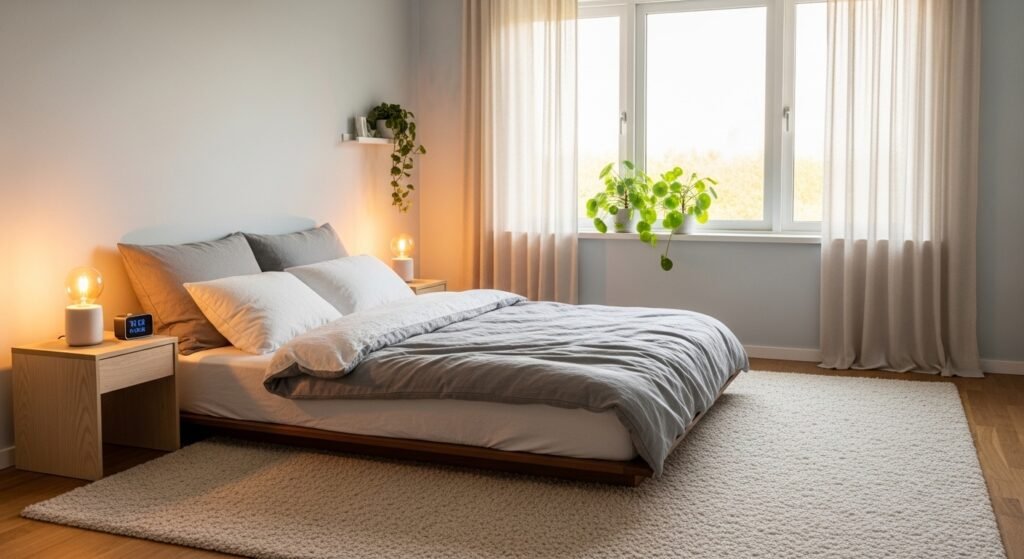
3. Environmental Tracking
Use wearables combined with:
✔ Smart thermostats
✔ Smart lights
✔ White noise apps
Mistakes to Avoid When Using Wearable Sleep Tech
❌ Obsessing over nightly fluctuations
❌ Ignoring long-term trends
❌ Comparing your data to others
❌ Letting anxiety worsen sleep (orthosomnia)
❌ Changing too many variables at once
Focus on weekly averages.
How Long Before You See Improvements?
With consistent adjustments:
✔ 1–2 weeks: Noticeable energy boost
✔ 3–4 weeks: Improved sleep efficiency
✔ 6–8 weeks: Stabilized circadian rhythm
Consistency is key.
FAQs
Can wearable tech really improve sleep?
Yes. When data is interpreted and applied correctly, wearable sleep trackers can help identify patterns and improve sleep habits.
What is the best way to use a sleep tracker?
Establish a baseline, identify weak metrics, make one targeted change at a time, and monitor weekly trends instead of daily fluctuations.
How accurate are wearable sleep trackers?
They are reasonably accurate for sleep duration and trends, though less precise than clinical sleep studies. They are best used for pattern tracking.
Can HRV tracking improve sleep?
Yes. Monitoring HRV helps identify stress and recovery levels, allowing better lifestyle adjustments that improve sleep quality.
Should I check sleep data every morning?
Review trends weekly to avoid anxiety. Daily checks are fine, but focus on long-term patterns.
The Psychology of Sleep Tracking
Data builds awareness.
Awareness builds behavior change.
Behavior change builds consistency.
Consistency builds restorative sleep.
Wearable tech is a feedback loop — not a magic solution.
Action Plan: Start Improving Sleep Tonight
- Wear your device consistently
- Establish 7-day baseline
- Identify weakest metric
- Adjust one variable
- Track weekly trends
- Refine gradually
Sleep improvement is iterative.
Final Thoughts: Data + Discipline = Better Sleep
Wearable tech doesn’t fix sleep.
You do.
But wearable technology gives you:
✔ Objective data
✔ Personalized insights
✔ Accountability
✔ Progress tracking
✨ About Artisan Anthology
At Artisan Anthology, we curate timeless digital creations designed to inspire and elevate every part of your lifestyle. Our collection includes brand books, digital templates, recipes, ebooks, wardrobe planners, fashion guides, printable wall art, and elegant home décor designs. We also specialize in wedding cards, invitations, baby shower cards, and engagement cards, each crafted to celebrate life’s most meaningful moments.
For professionals and dreamers alike, our CV templates, guided journals, and manifestation planners are created with intention to help you tell your story beautifully and authentically.
✨ Discover our full collection of digital products here → ArtisanAnthology.xyz